*The Special Edition will be presented at Paris Photo 2026, with a book signing by Kazuma Obara on 12 November, at 3:00 PM, at the Editorial RM booth (J03). Five copies of the Special Edition will be available at the fair.
THE NEWSPAPER Special Edition incorporates son-shi, sheets of paper produced during the newspaper printing process but never released into circulation. Collected and individually selected by Kazuma Obara, these sheets are combined with the final printed newspaper, bringing together the finished publication and material ordinarily excluded from it. The Special Edition thus contains exactly twice as many pages as the standard edition.
Son-shi refers to sheets generated during newspaper production on rotary presses that are excluded from the finished publication. They emerge during the cleaning and adjustment of the presses, including the calibration of ink density and colour registration. These sheets preserve transitional states of the printing process, before the newspaper assumes its final form as a medium of information. They are newspapers that will never be read. When a press is cleaned and prepared for a new print run, for instance, traces of ink, text and photographs from the previous edition may overlap with images and text from the next. Information belonging to different moments in time can thus coexist on a single sheet of paper.
Although already bearing printed information, son-shi never enters circulation as a finished newspaper. Ordinarily collected and recycled, these sheets occupy an intermediate state between information already printed and information yet to assume its final form.
During a visit to a large-scale newspaper printing plant, Obara encountered son-shi and was drawn to the unexpected beauty of its shifting configurations of text and image. He was equally struck by its ambiguous status as a medium of information: carrying fragments of text and photographs that are often illegible, yet never reaching a reader through conventional channels of distribution.
Each sheet of son-shi bears the particular conditions of its production: variations in ink density, overlapping colours, misregistered images and, in some cases, the original untrimmed edges of the printed paper. These are not reproductions but original sheets produced through the contingencies of the printing process. No two are identical. Each of the 30 copies of the Special Edition contains a unique selection of son-shi, making every copy a distinct object.
By reinserting these sheets into the book, Obara brings back into the newspaper the traces of its own production—traces normally absent from the finished publication—along with the unexpected beauty that emerges through chance.
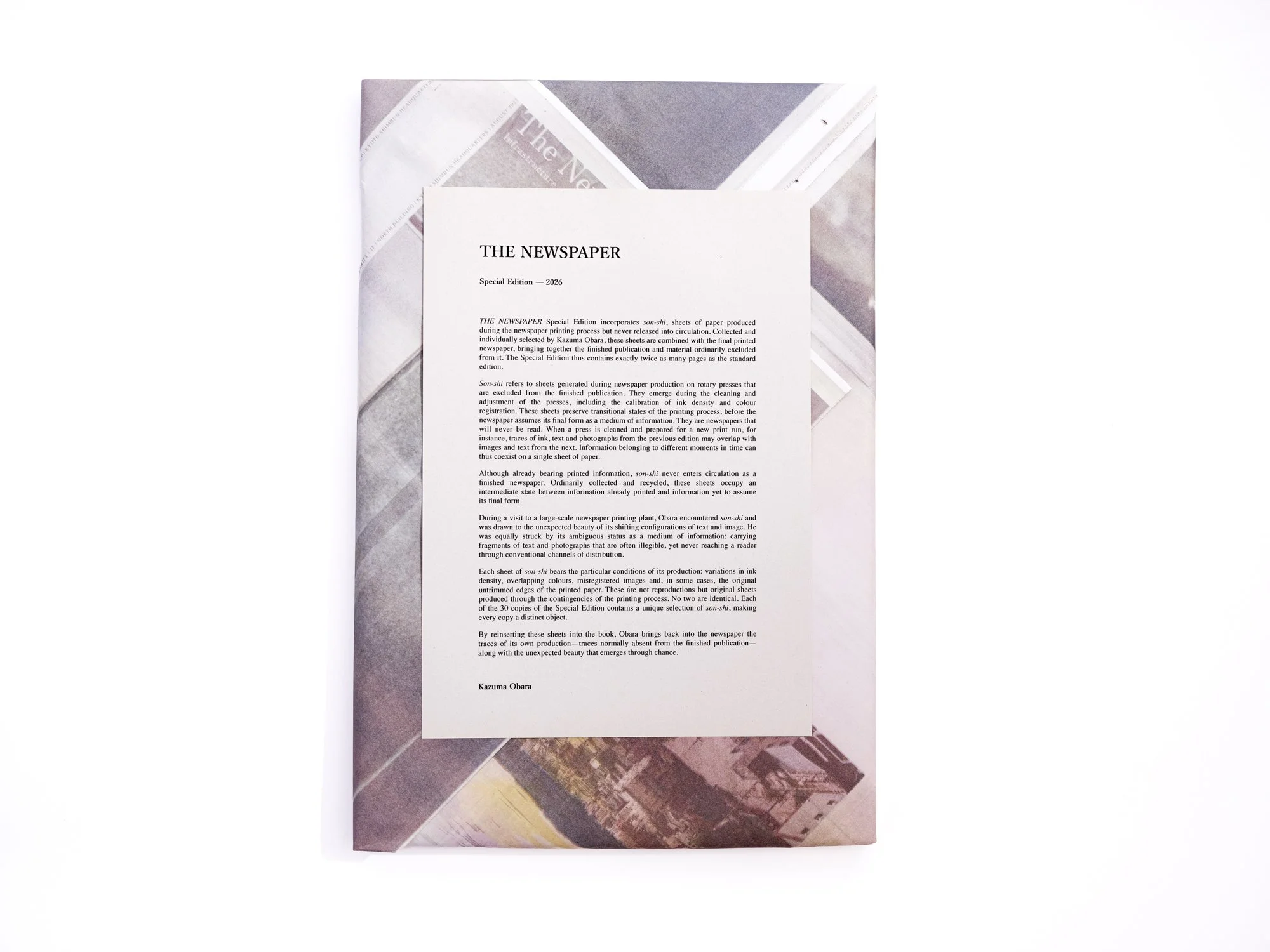 Image 1 of 29
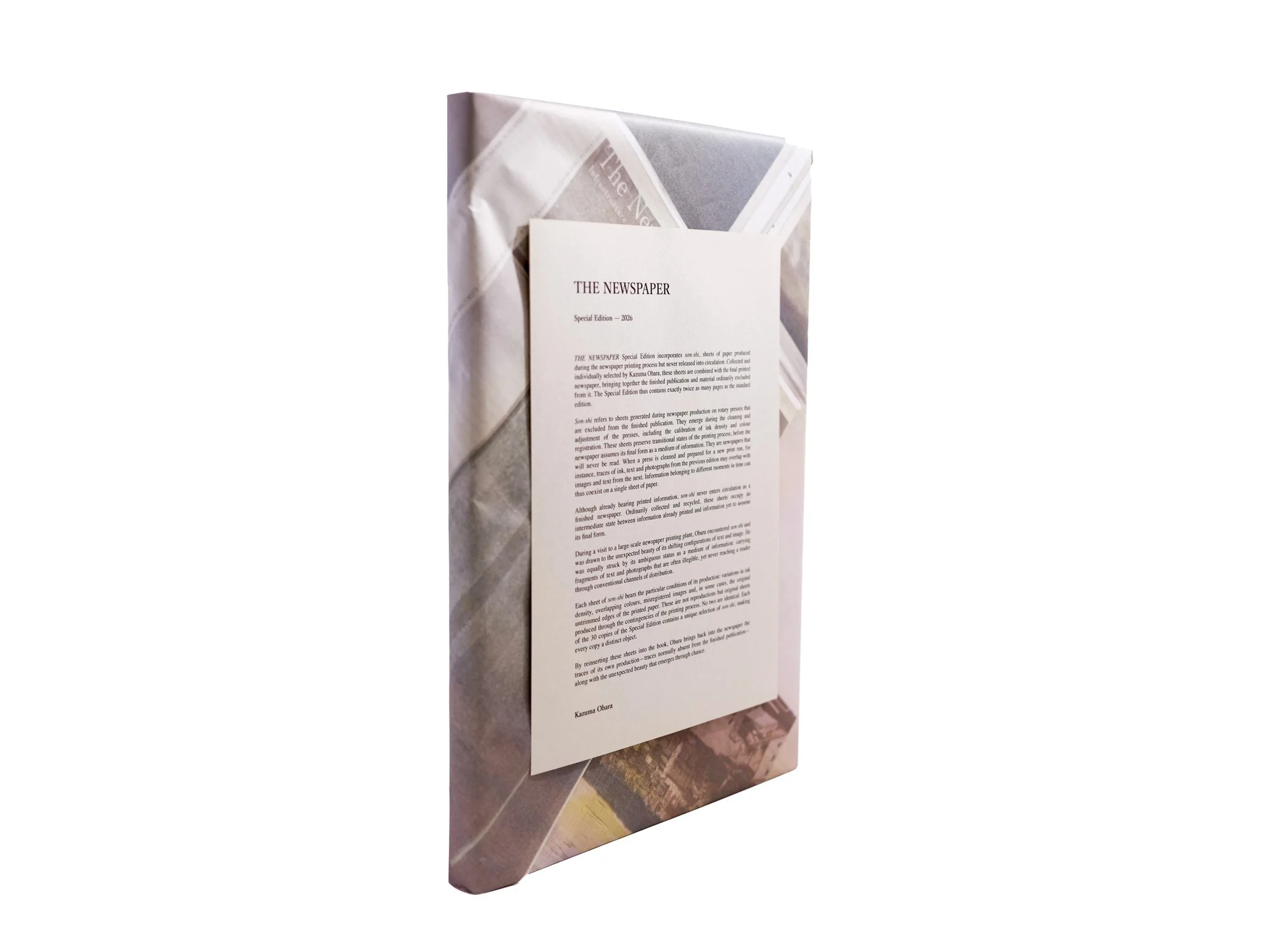 Image 2 of 29
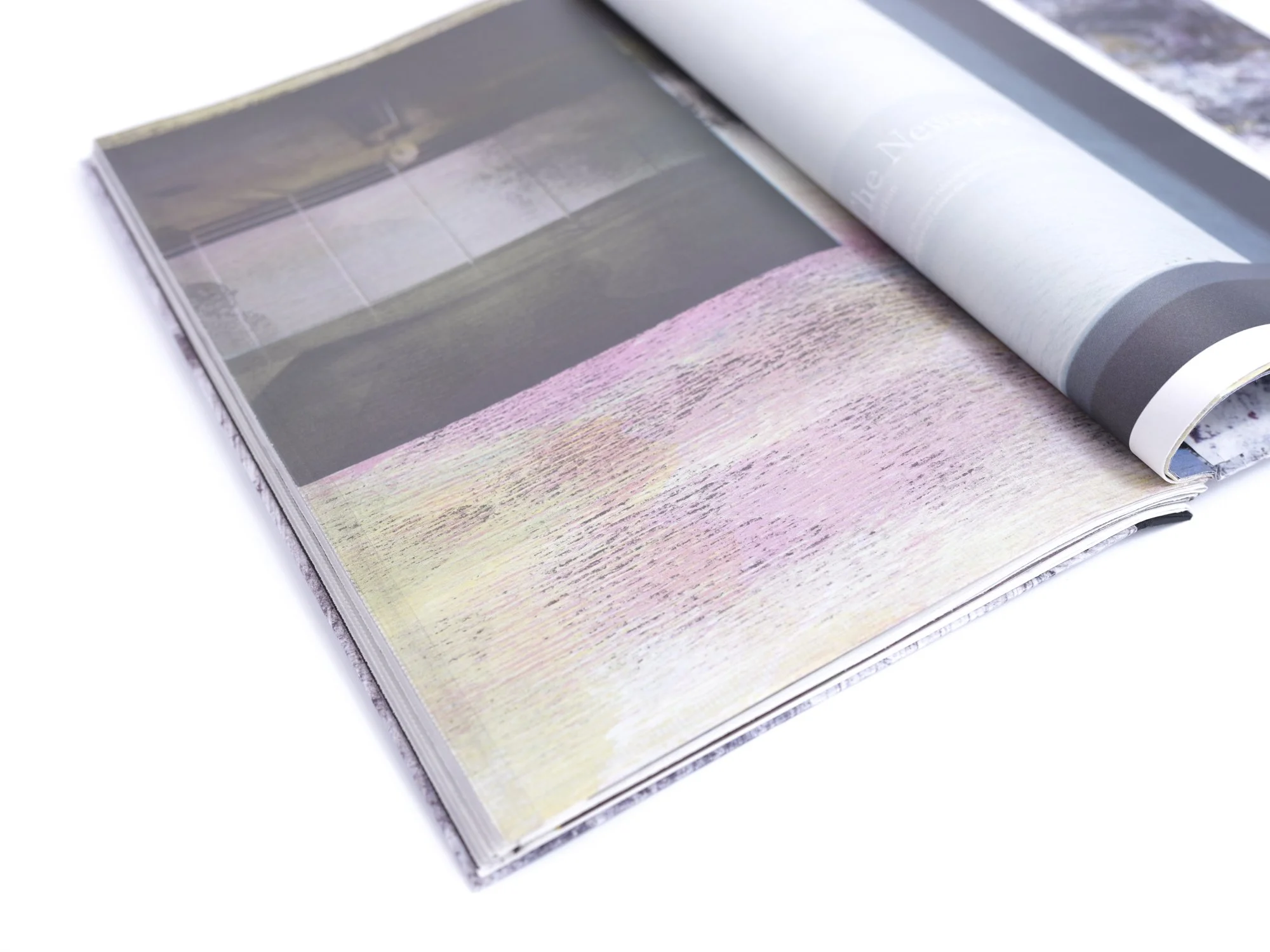 Image 3 of 29
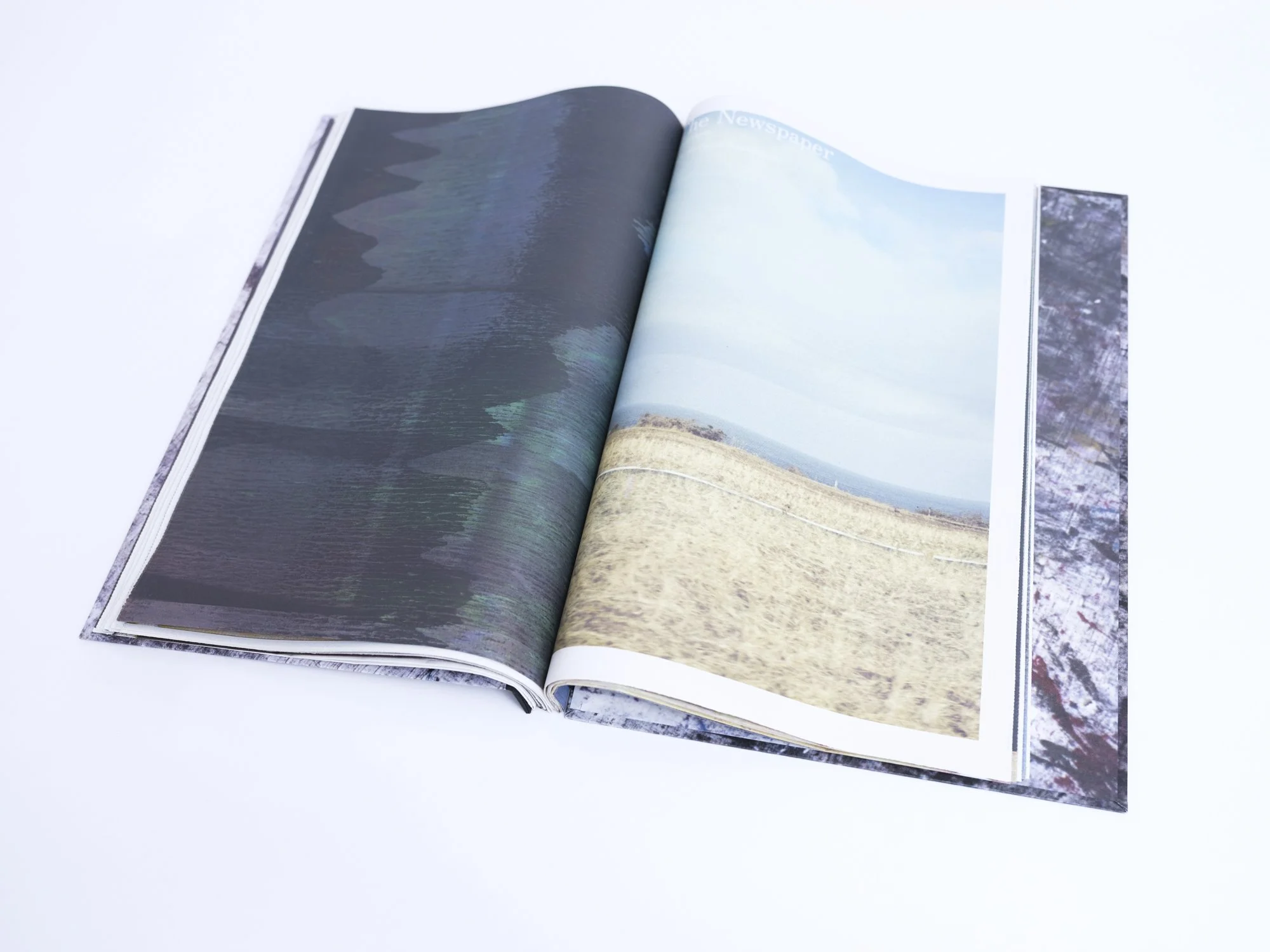 Image 4 of 29
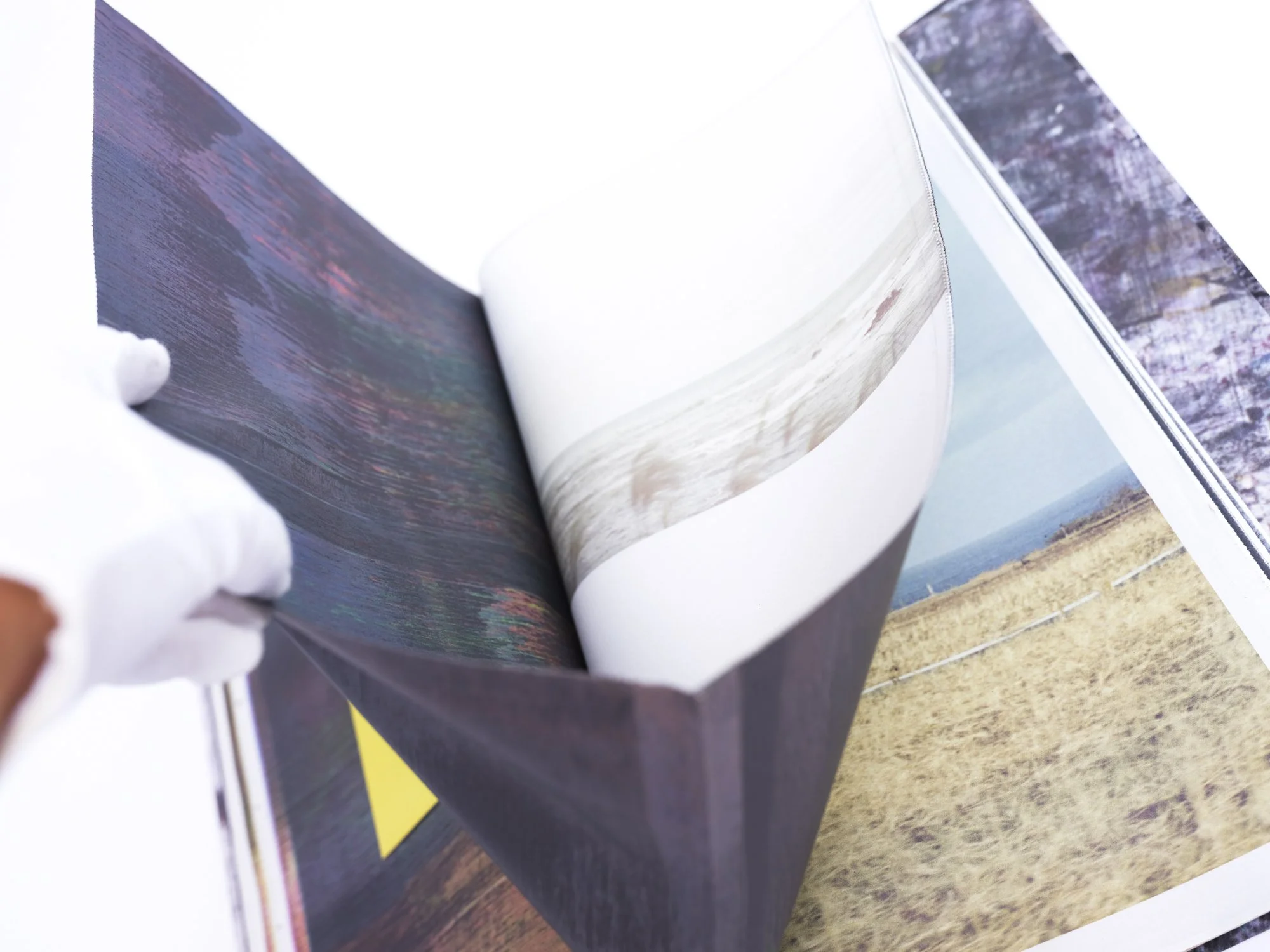 Image 5 of 29
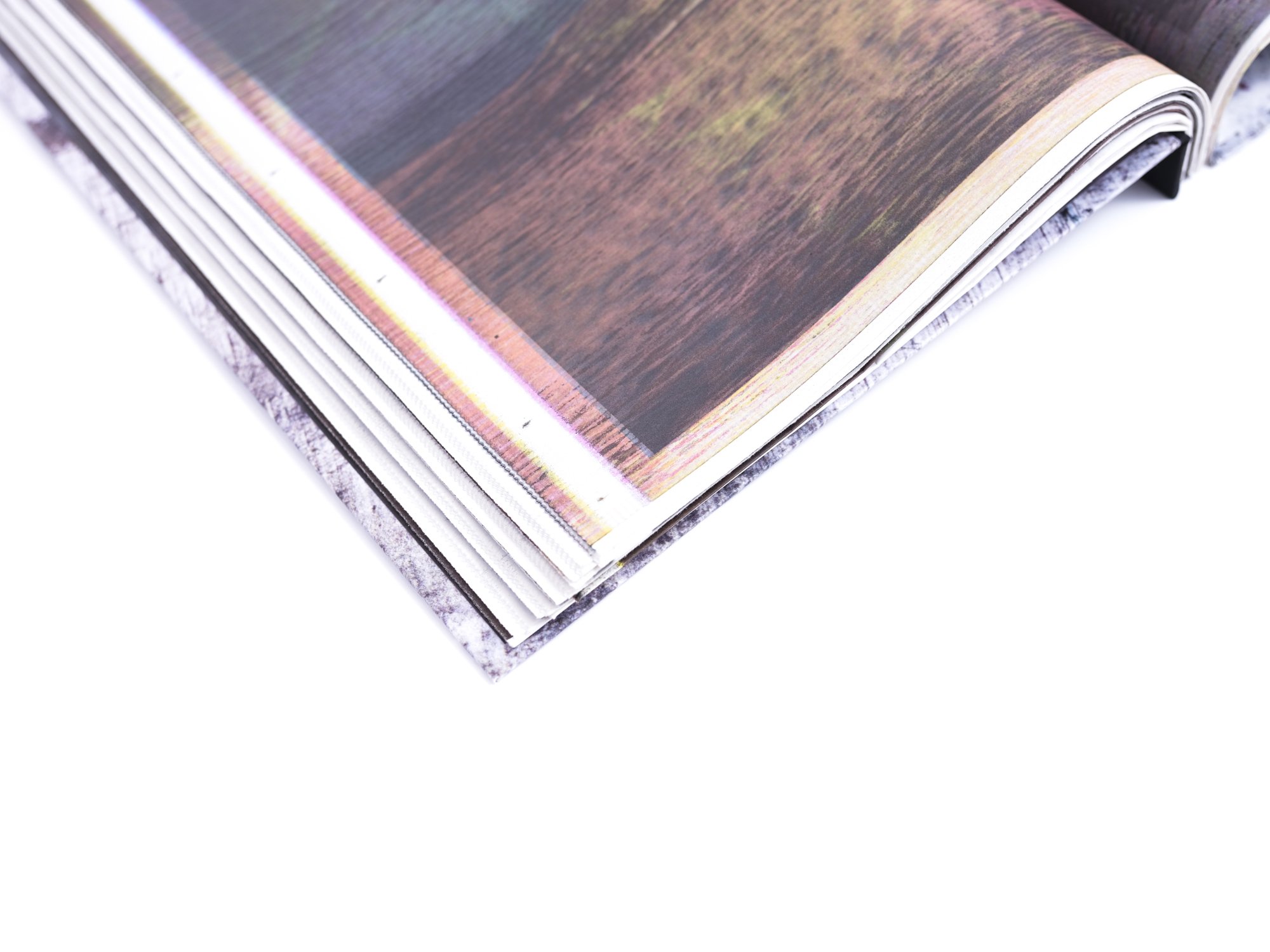 Image 6 of 29
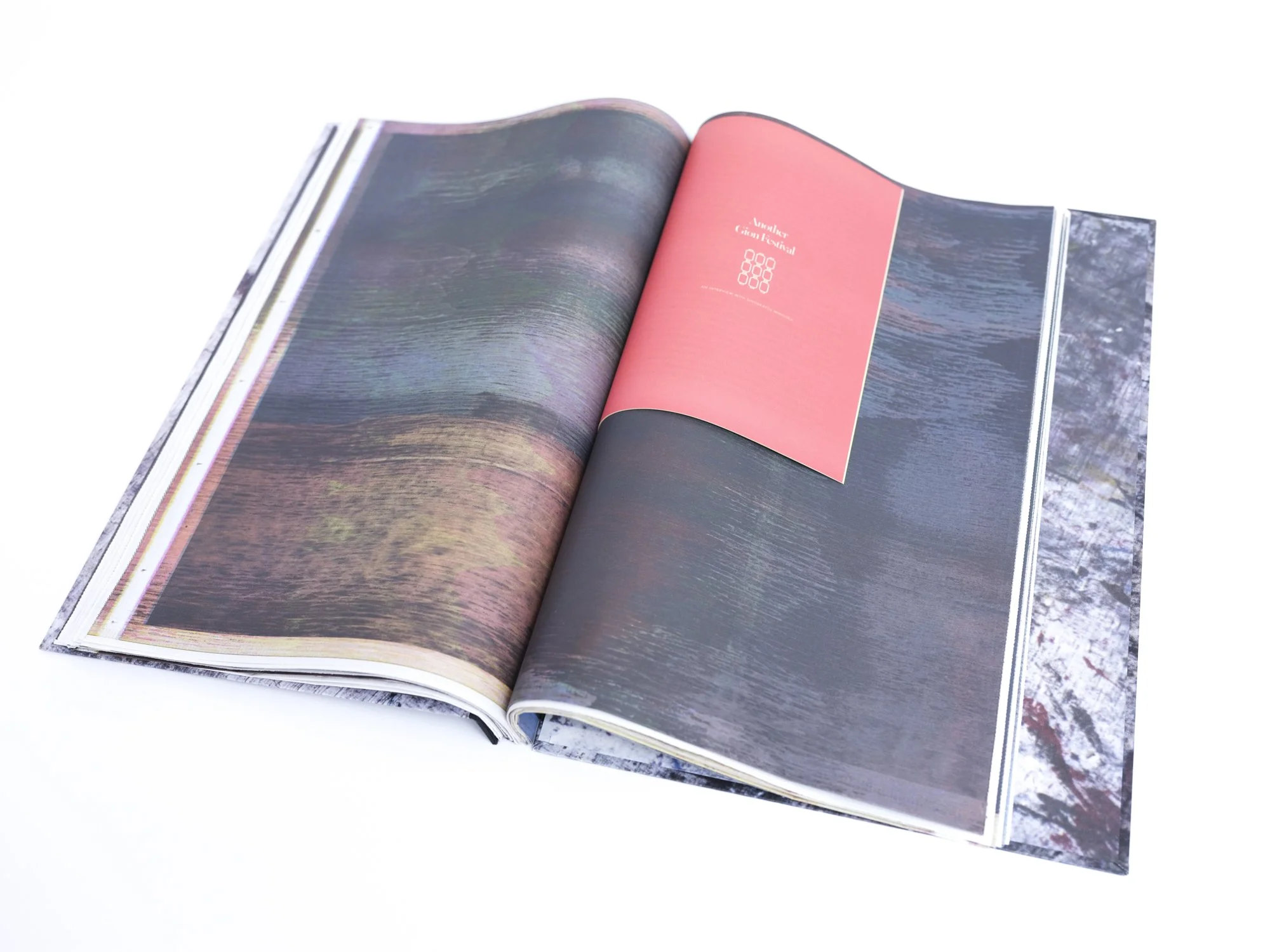 Image 7 of 29
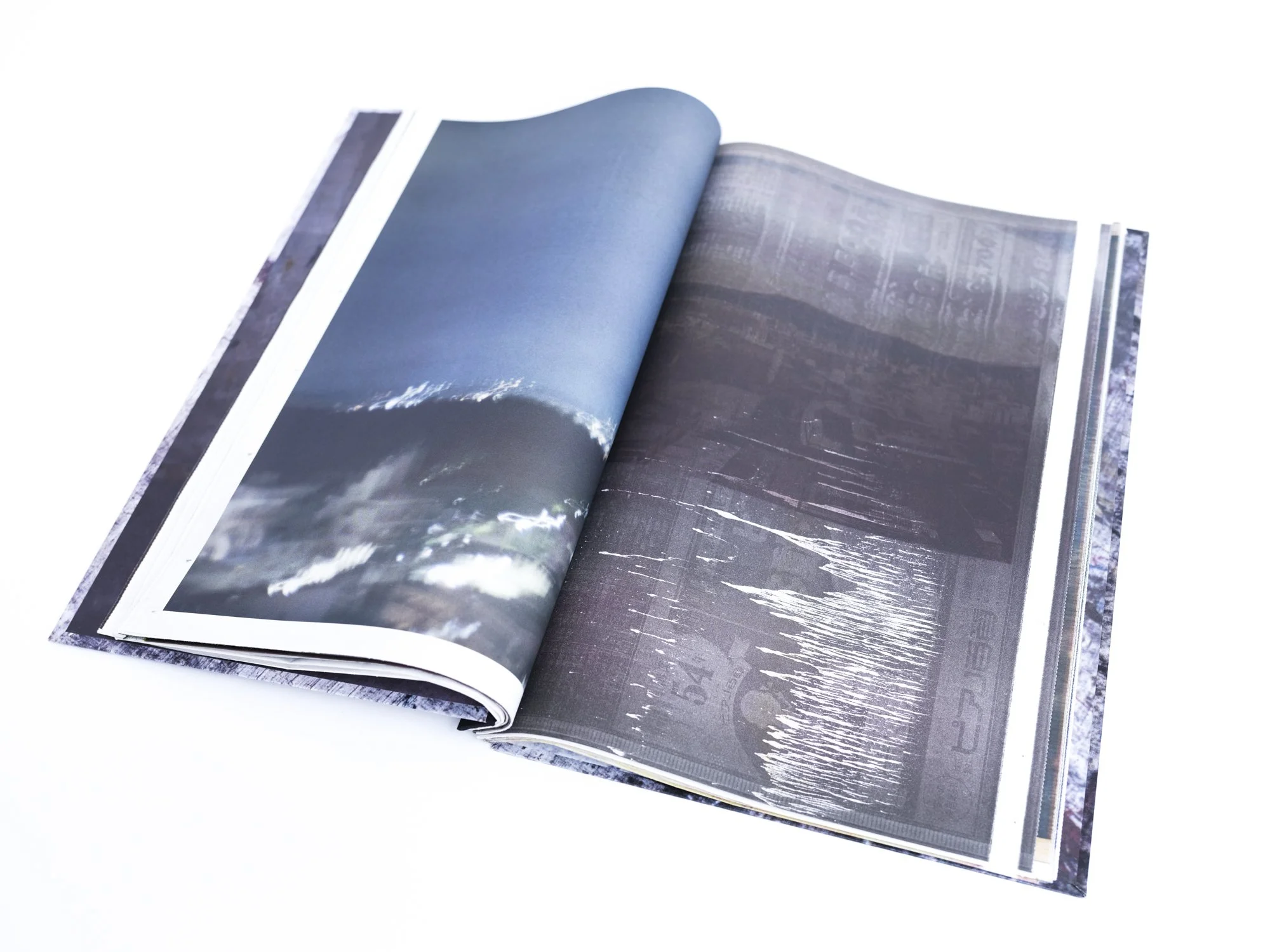 Image 8 of 29
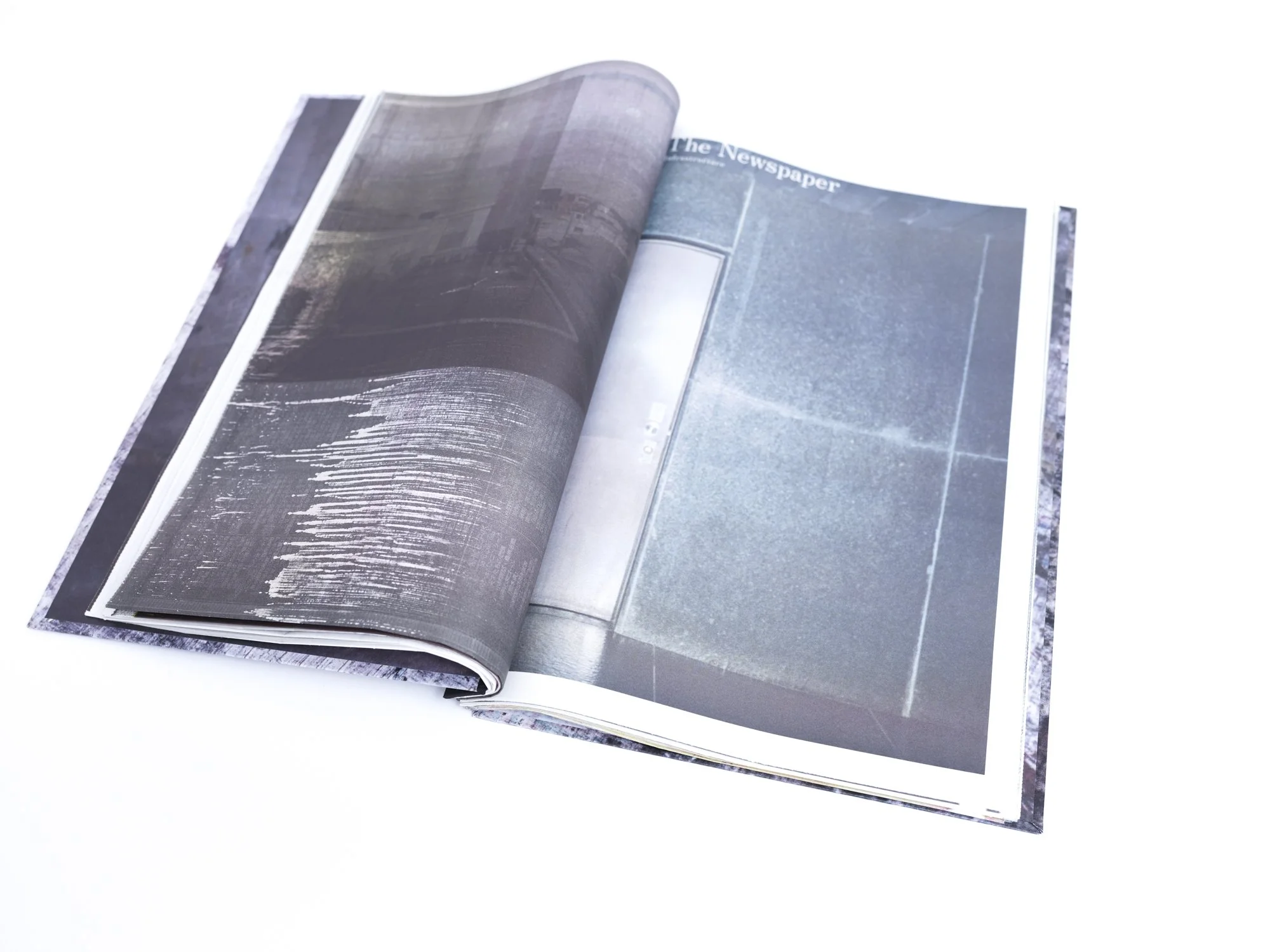 Image 9 of 29
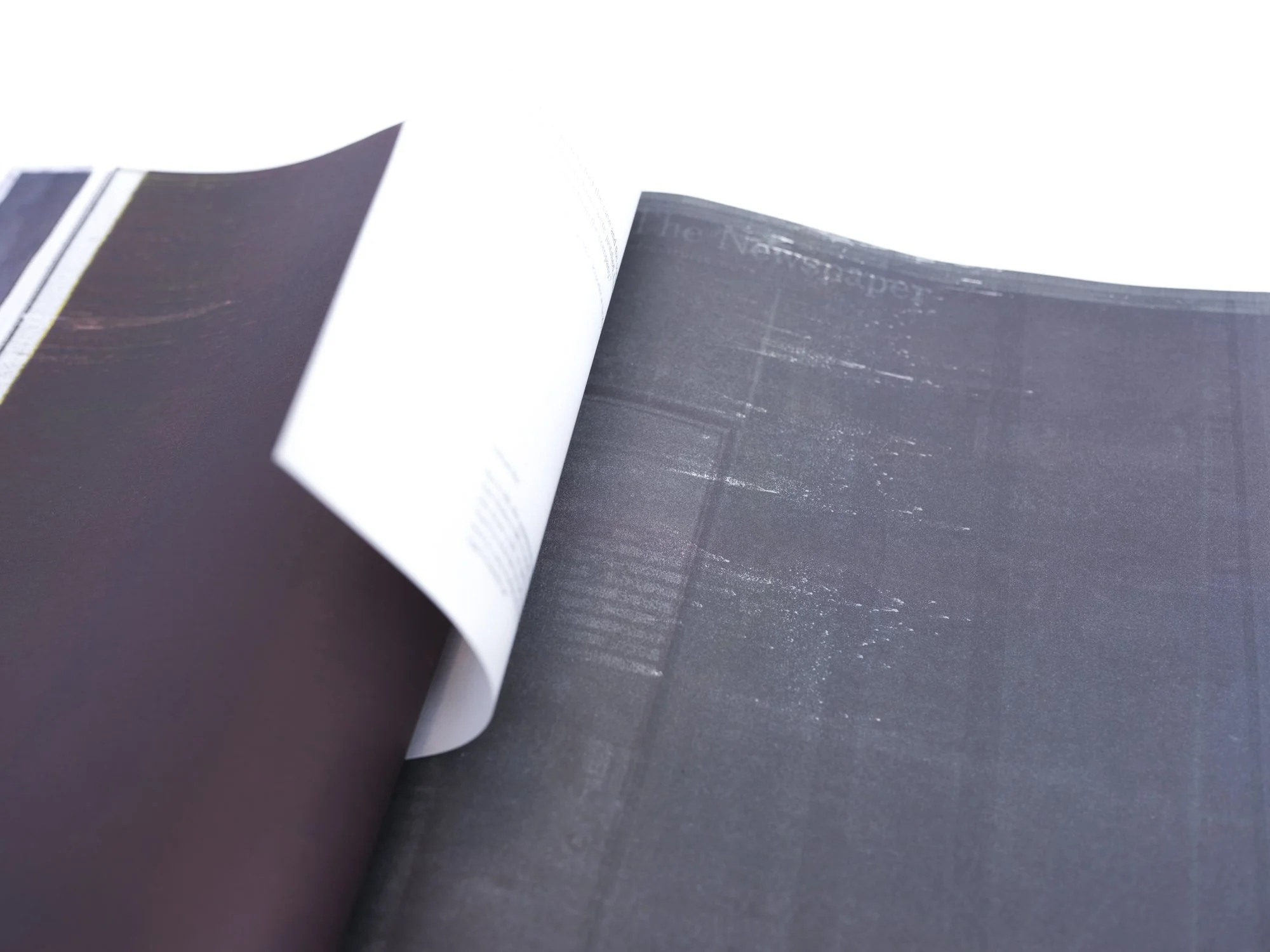 Image 10 of 29
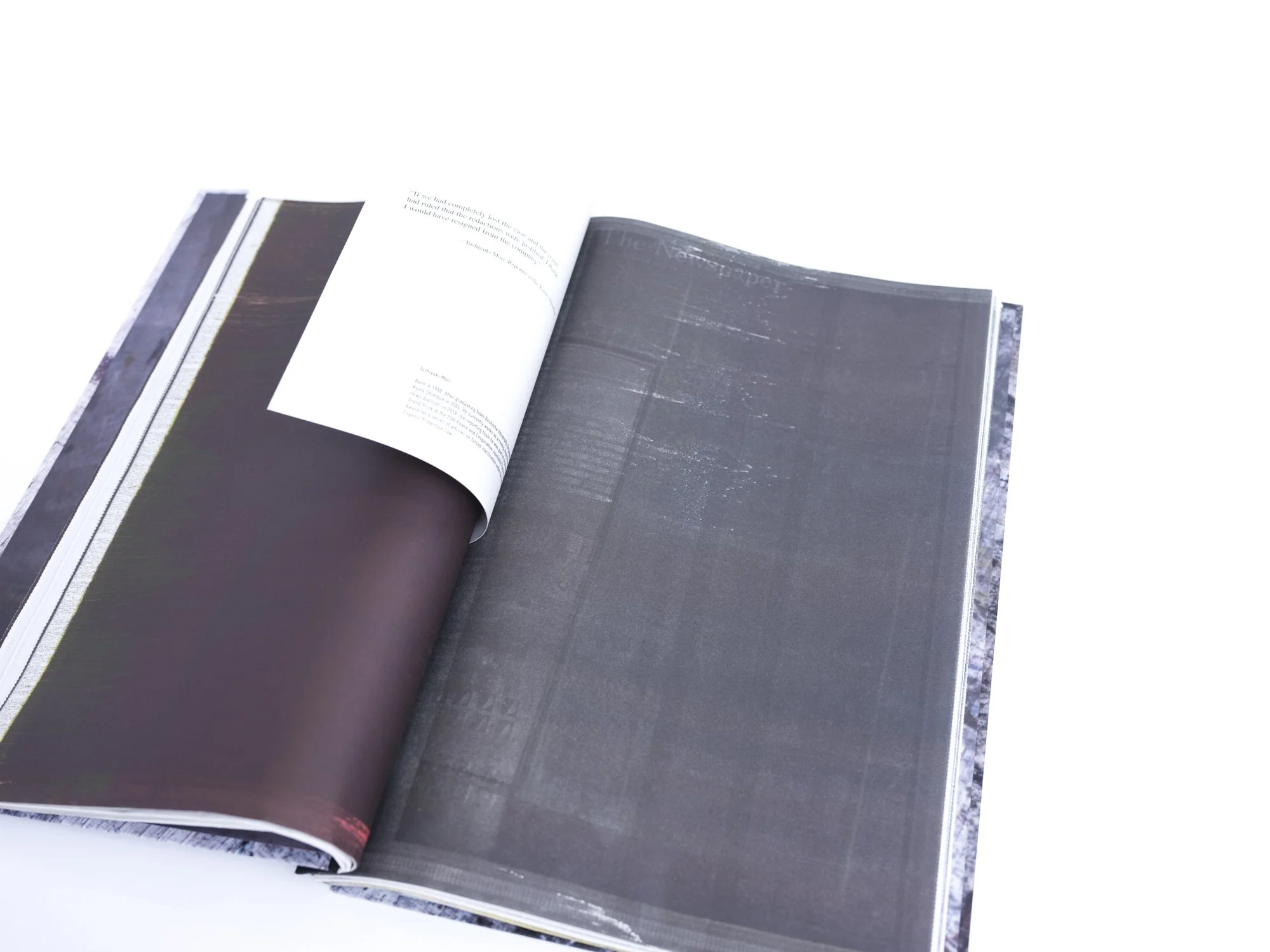 Image 11 of 29
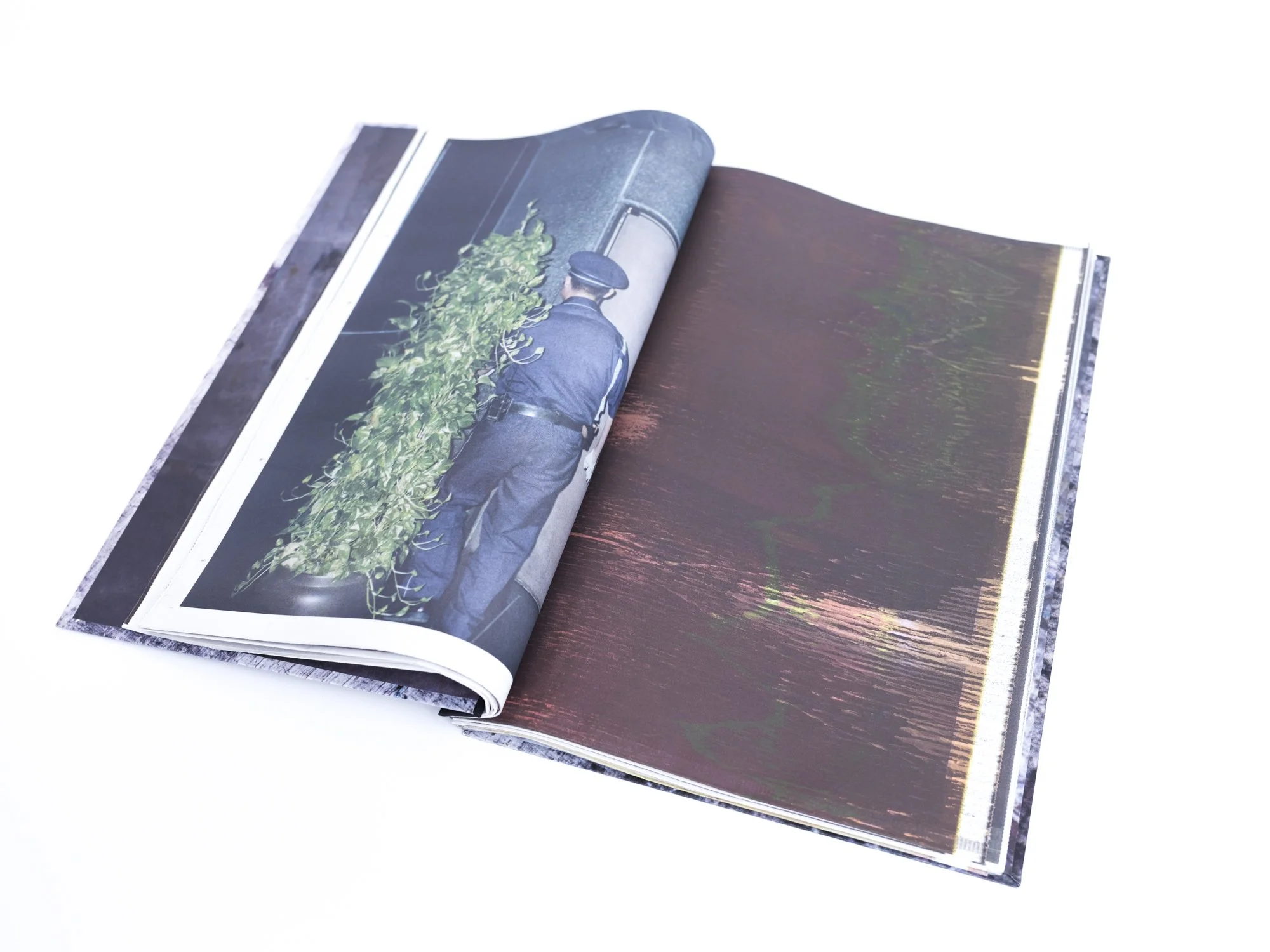 Image 12 of 29
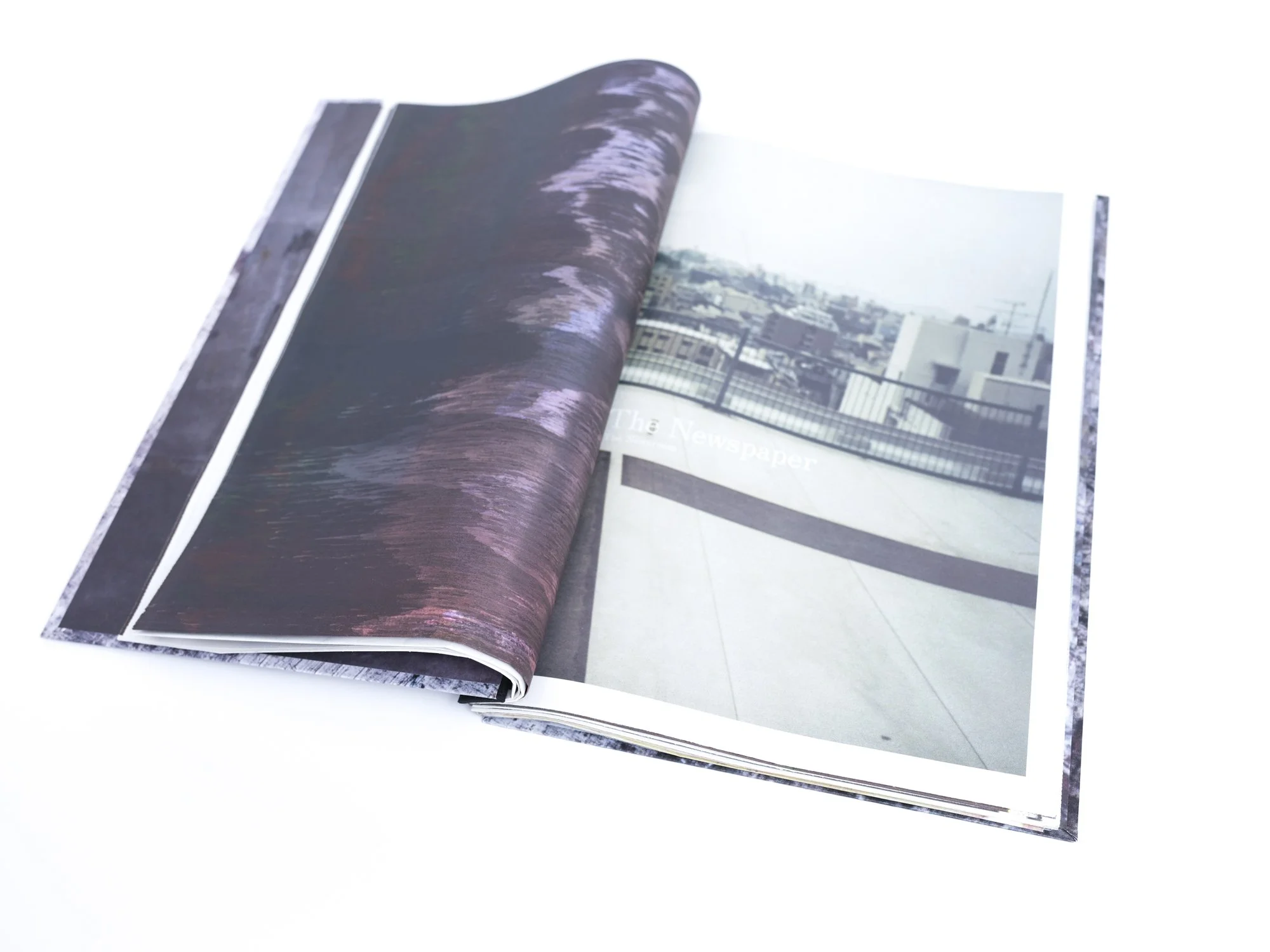 Image 13 of 29
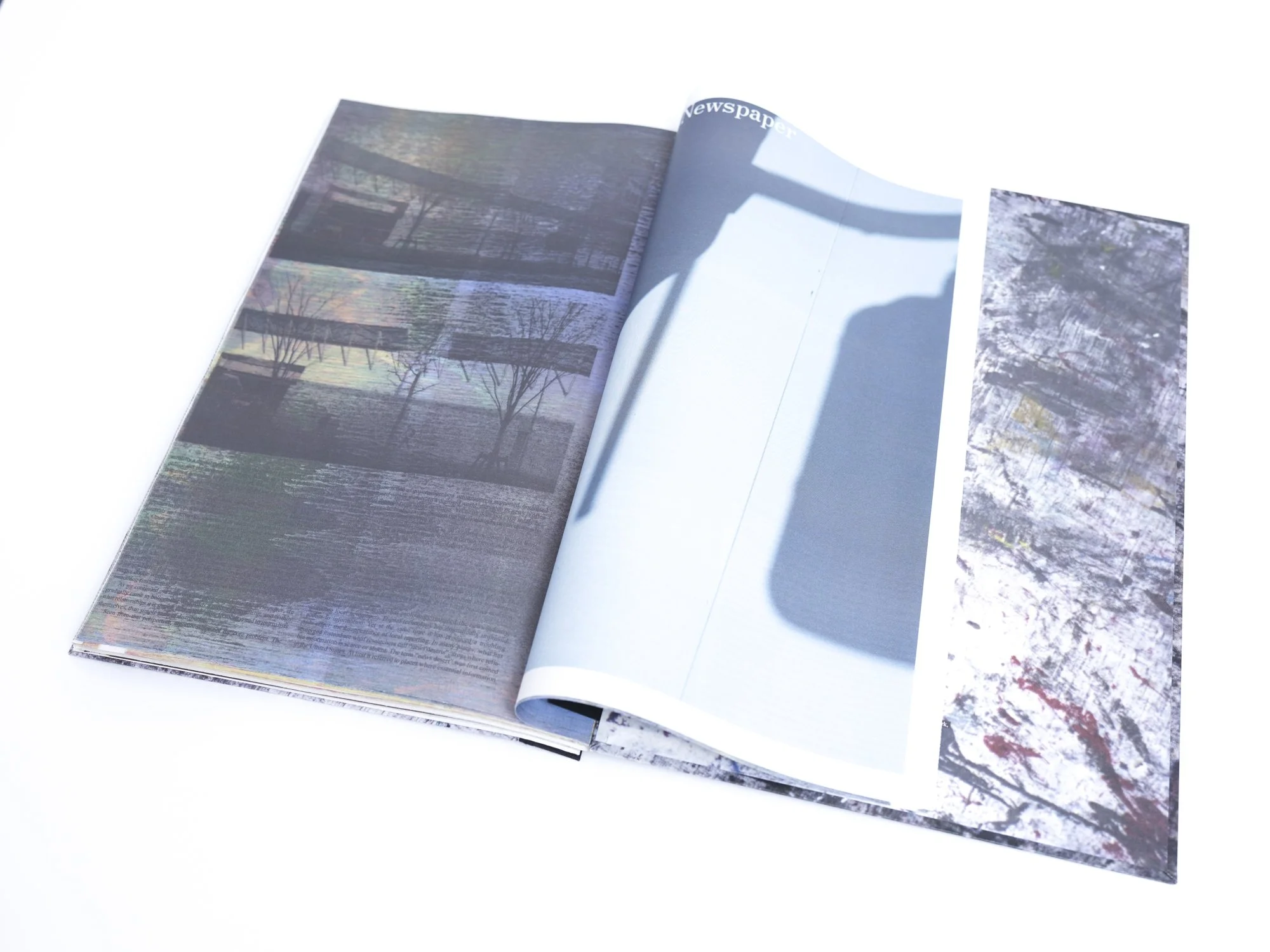 Image 14 of 29
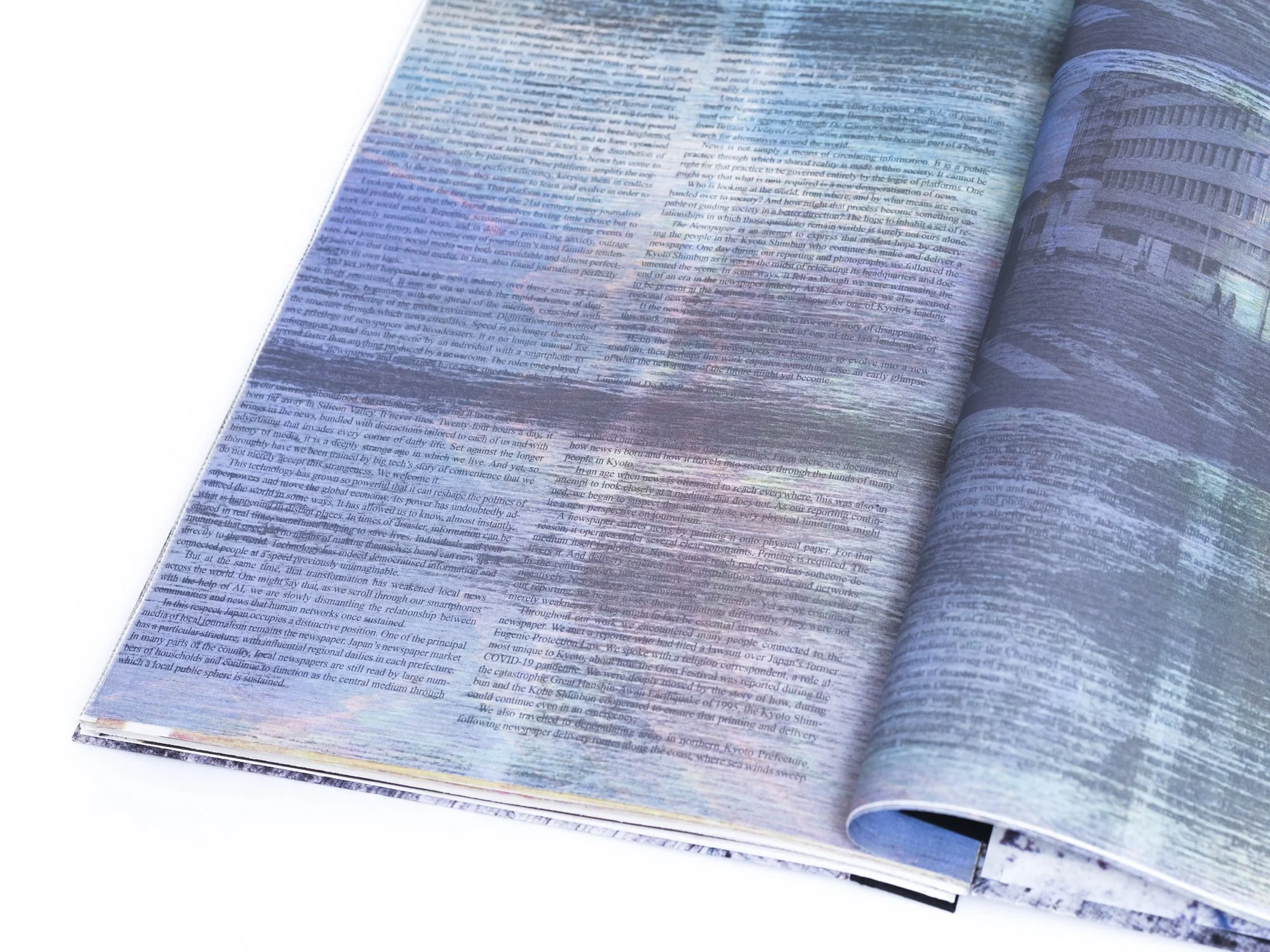 Image 15 of 29
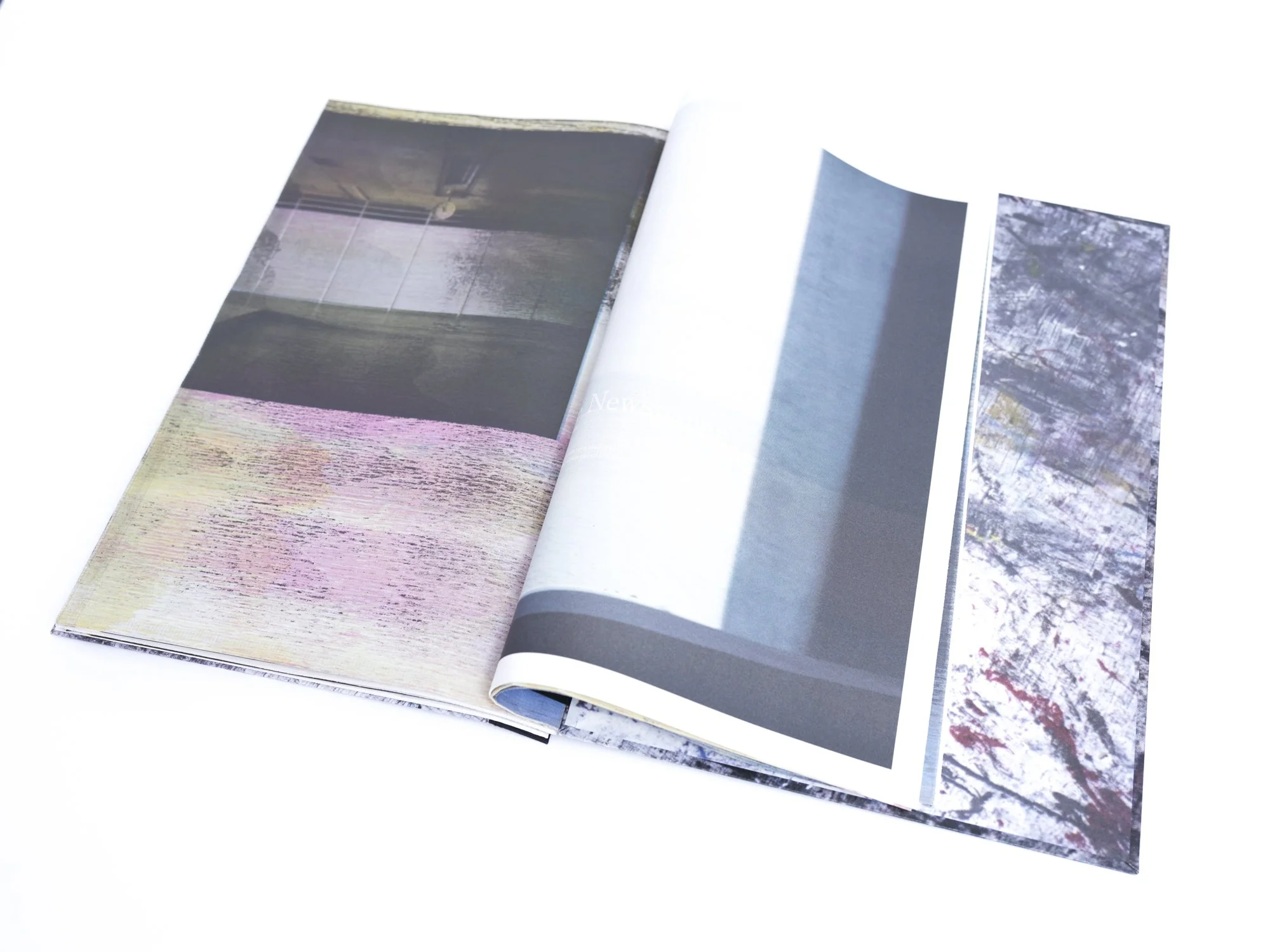 Image 16 of 29
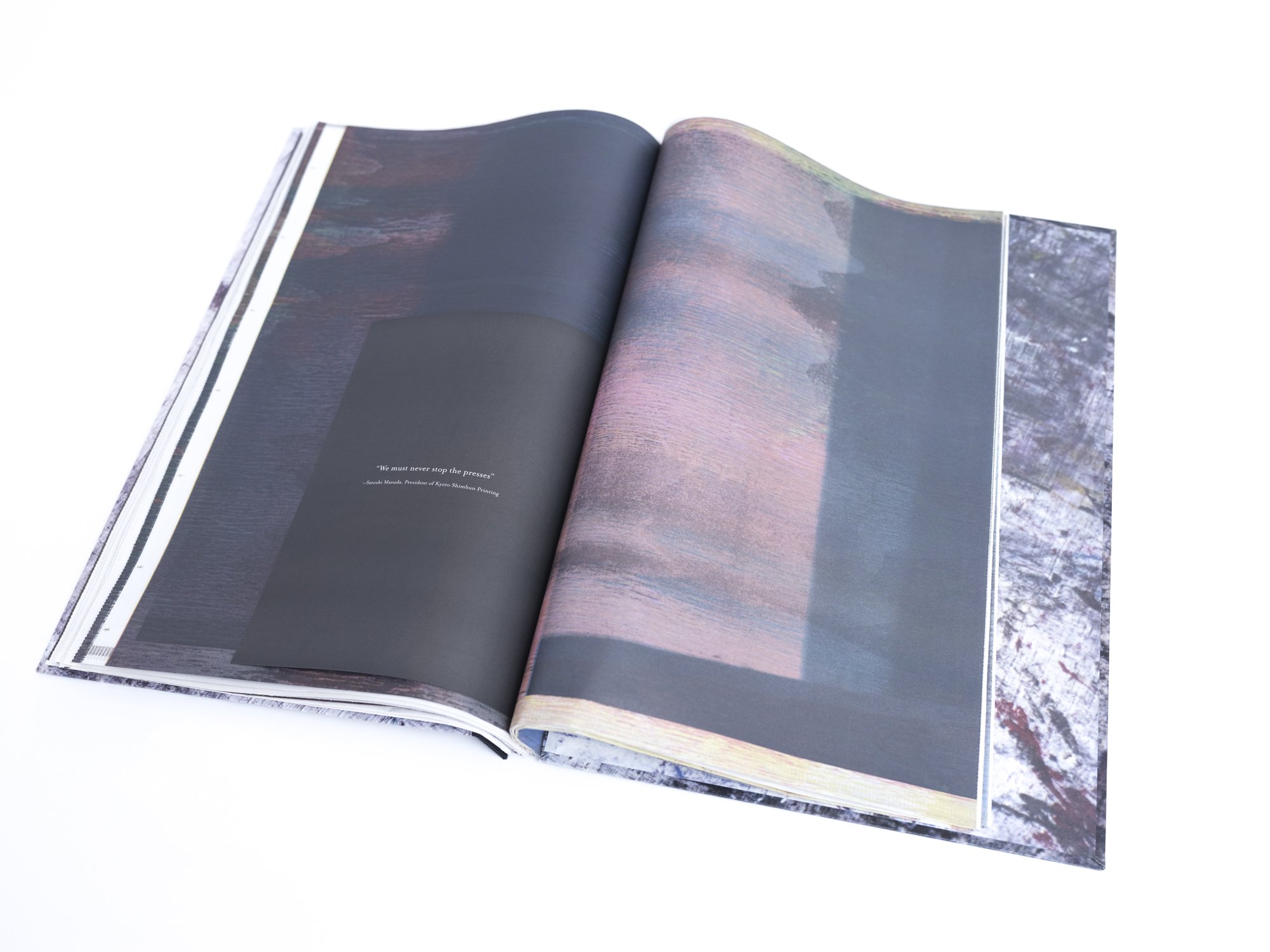 Image 17 of 29
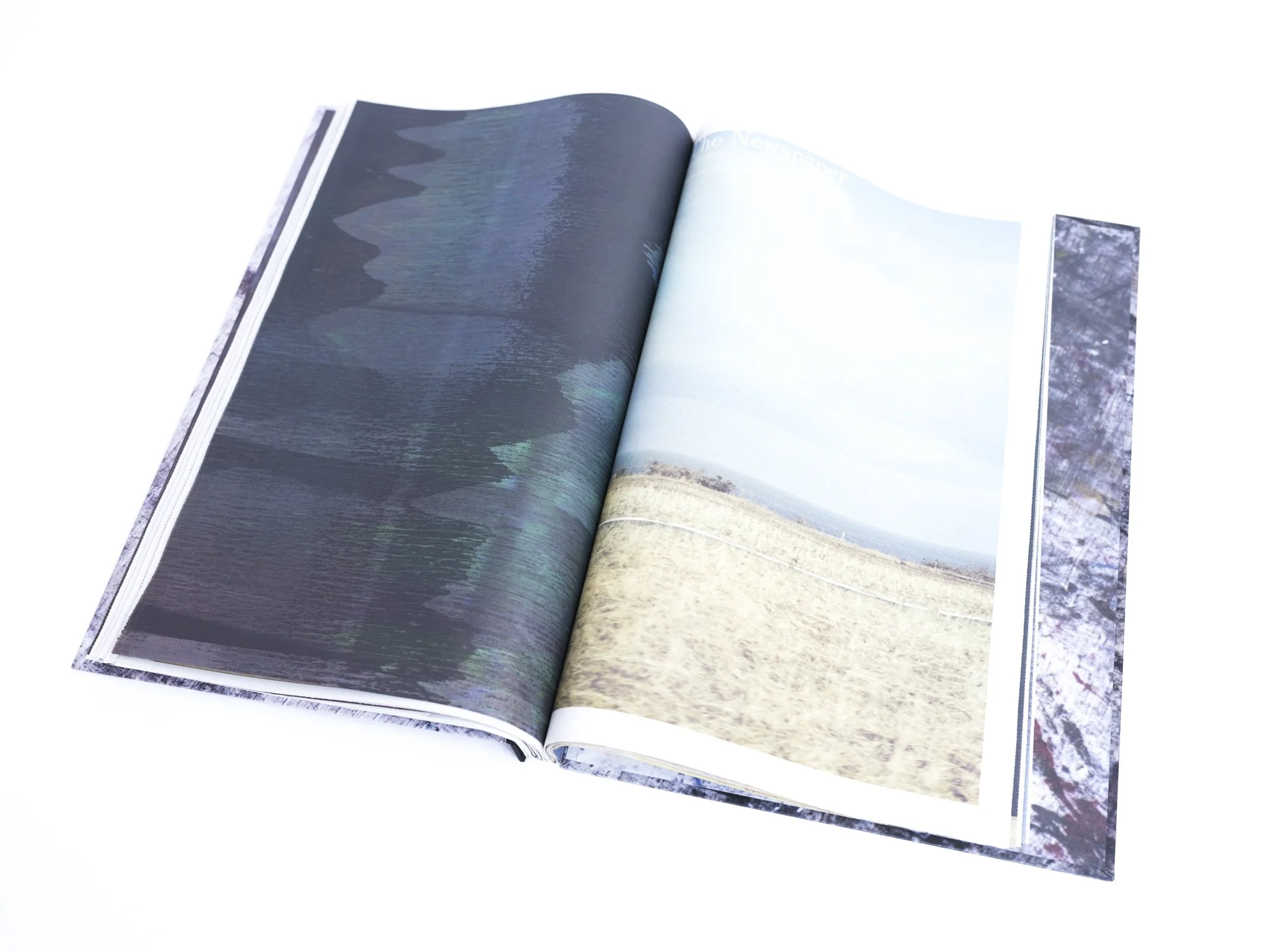 Image 18 of 29
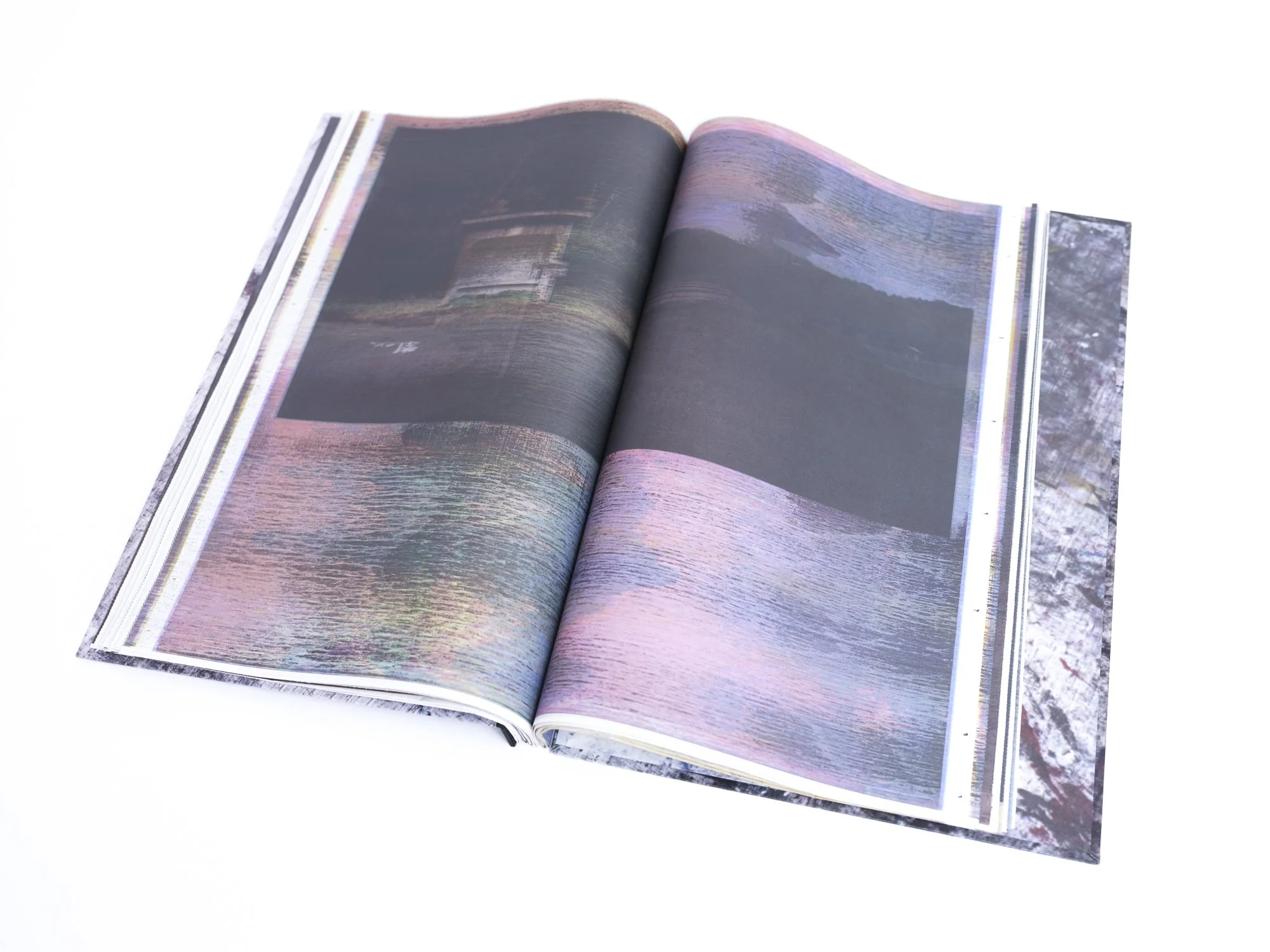 Image 19 of 29
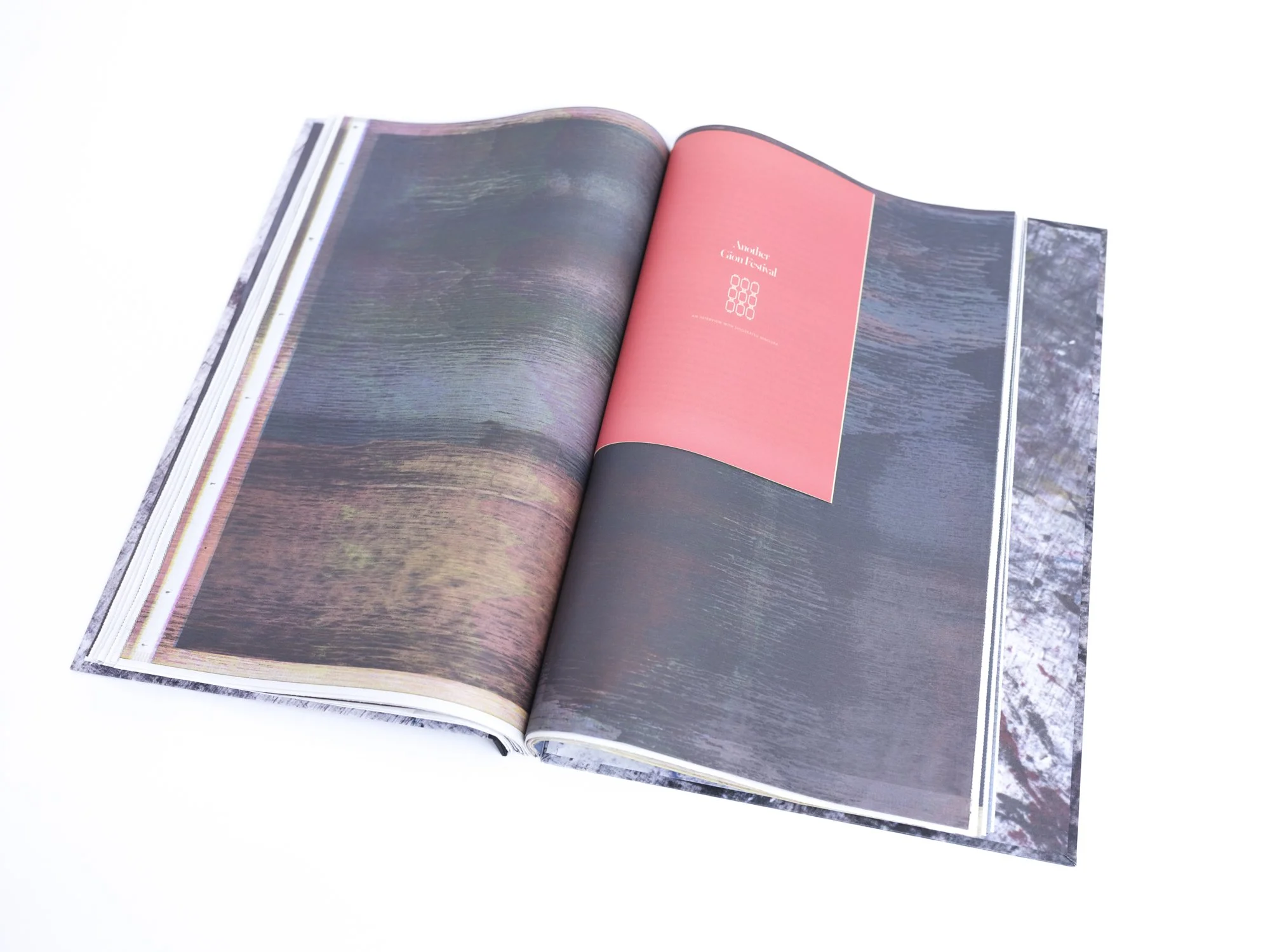 Image 20 of 29
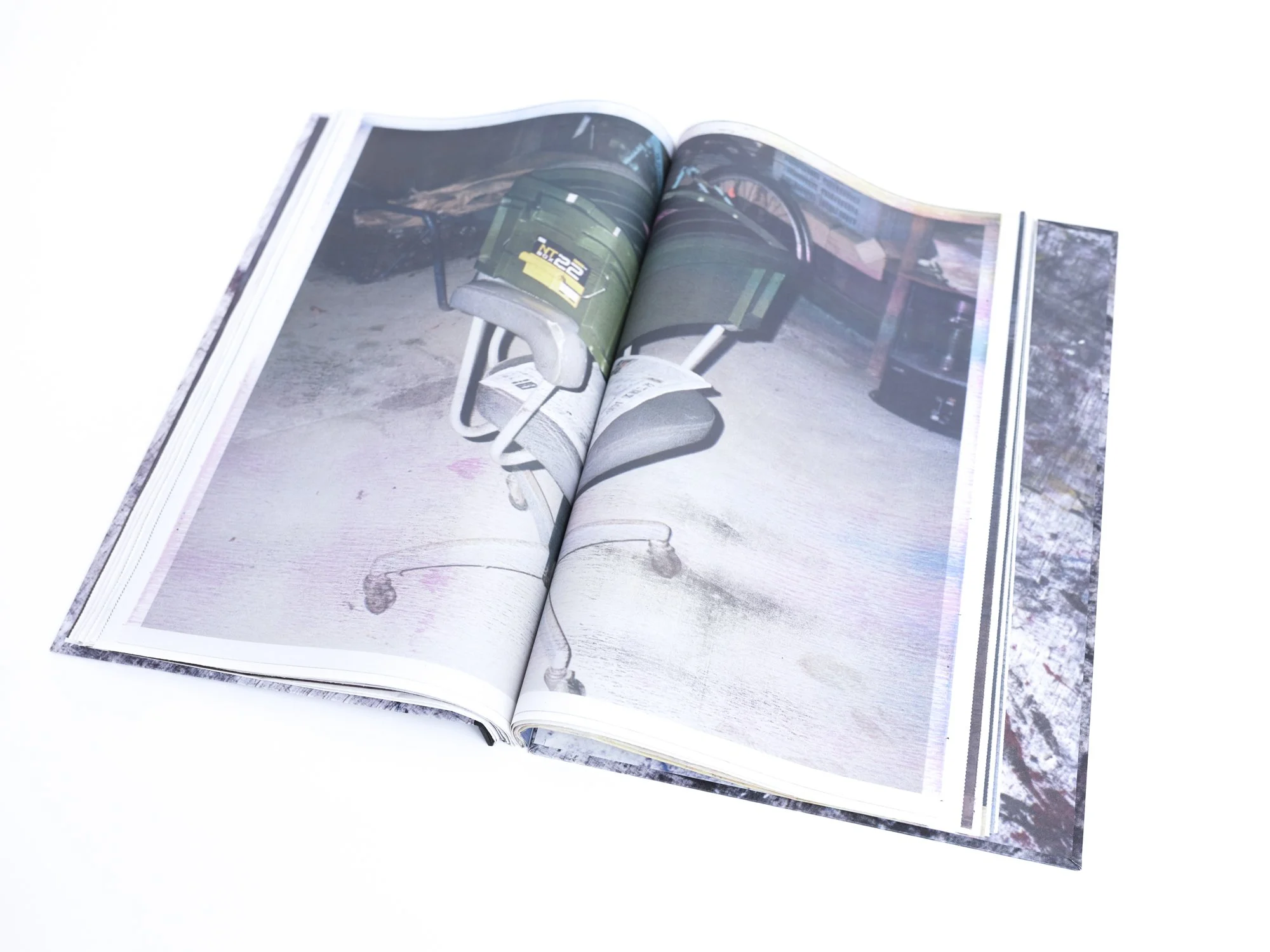 Image 21 of 29
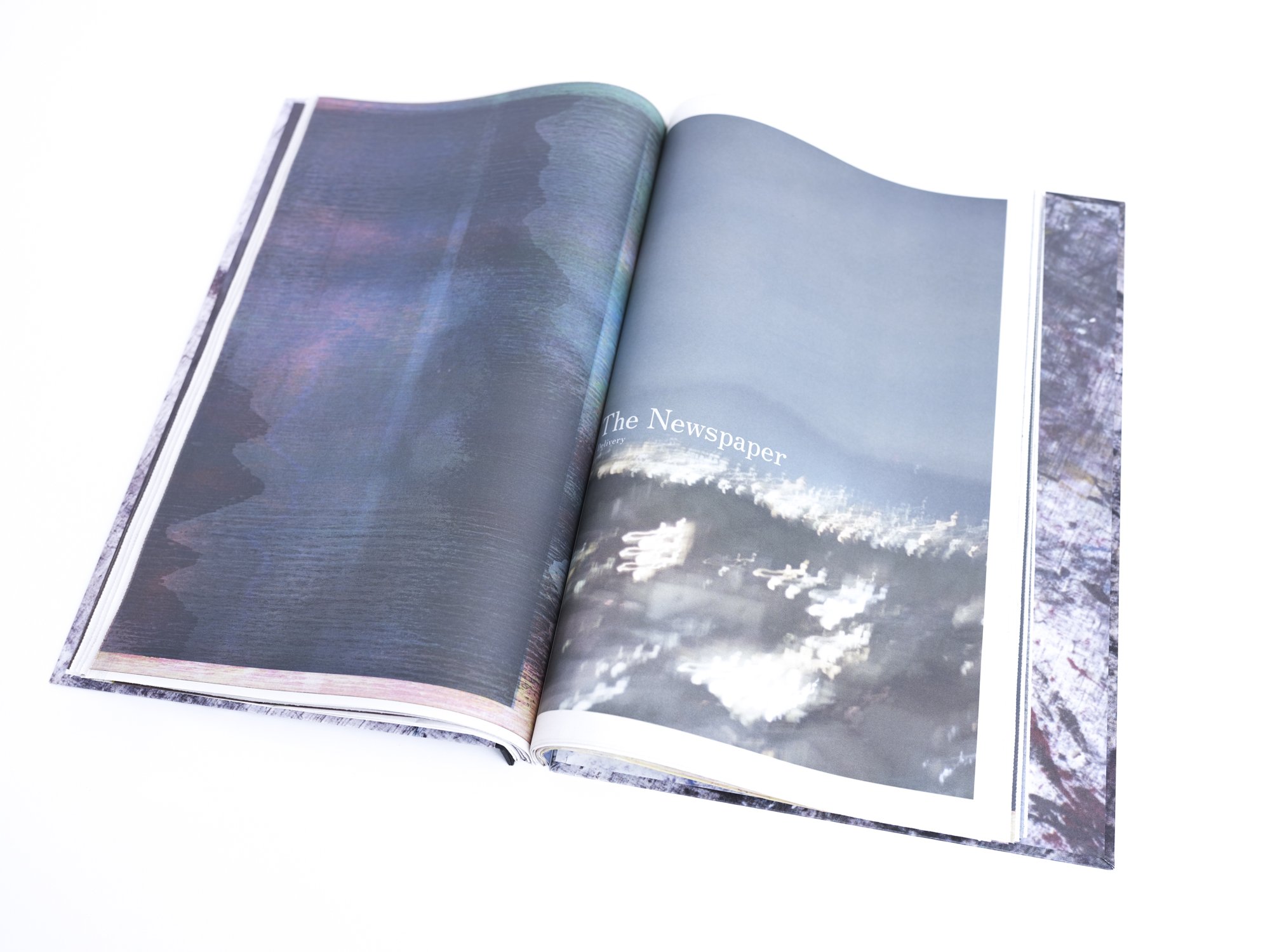 Image 22 of 29
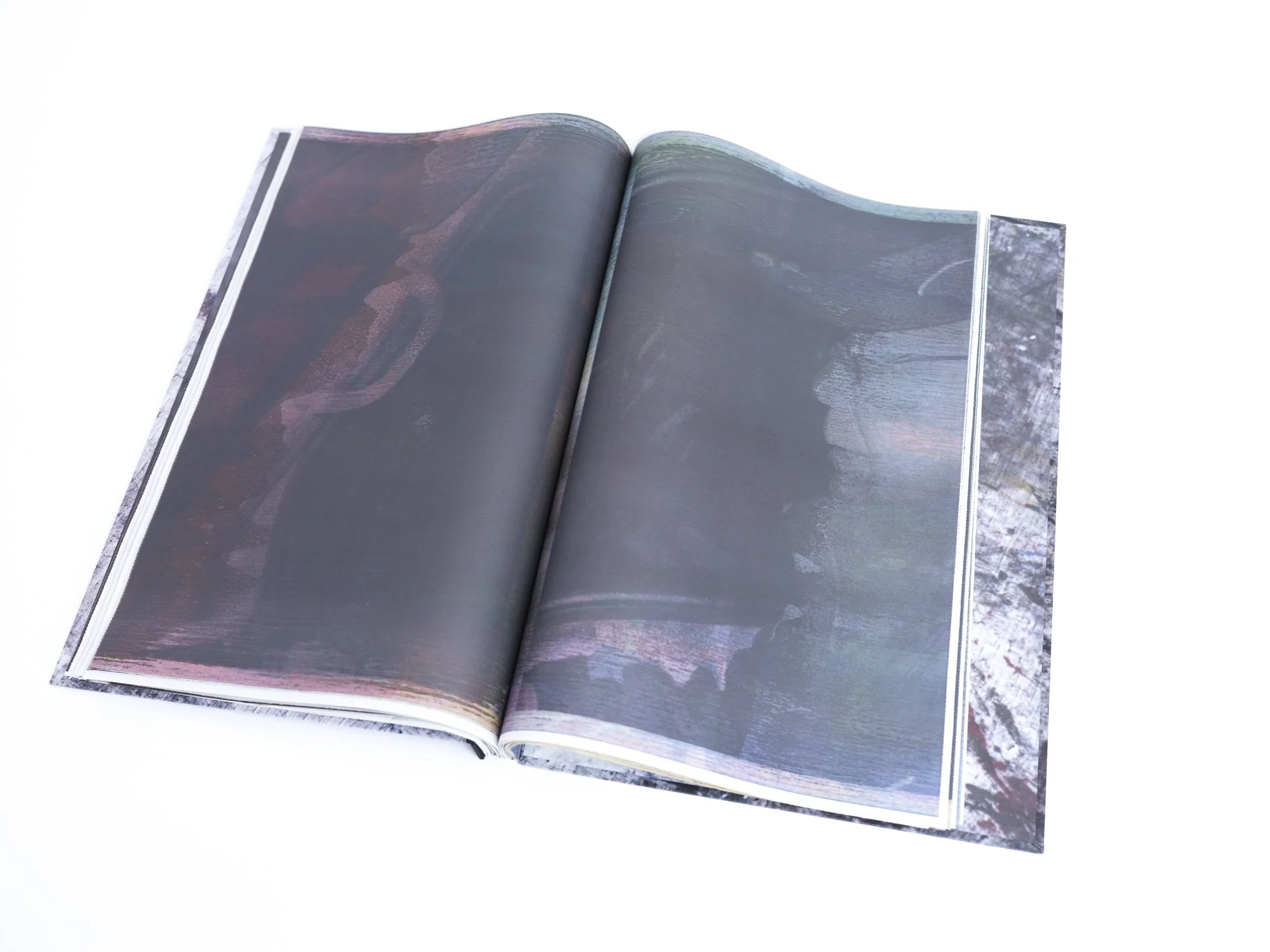 Image 23 of 29
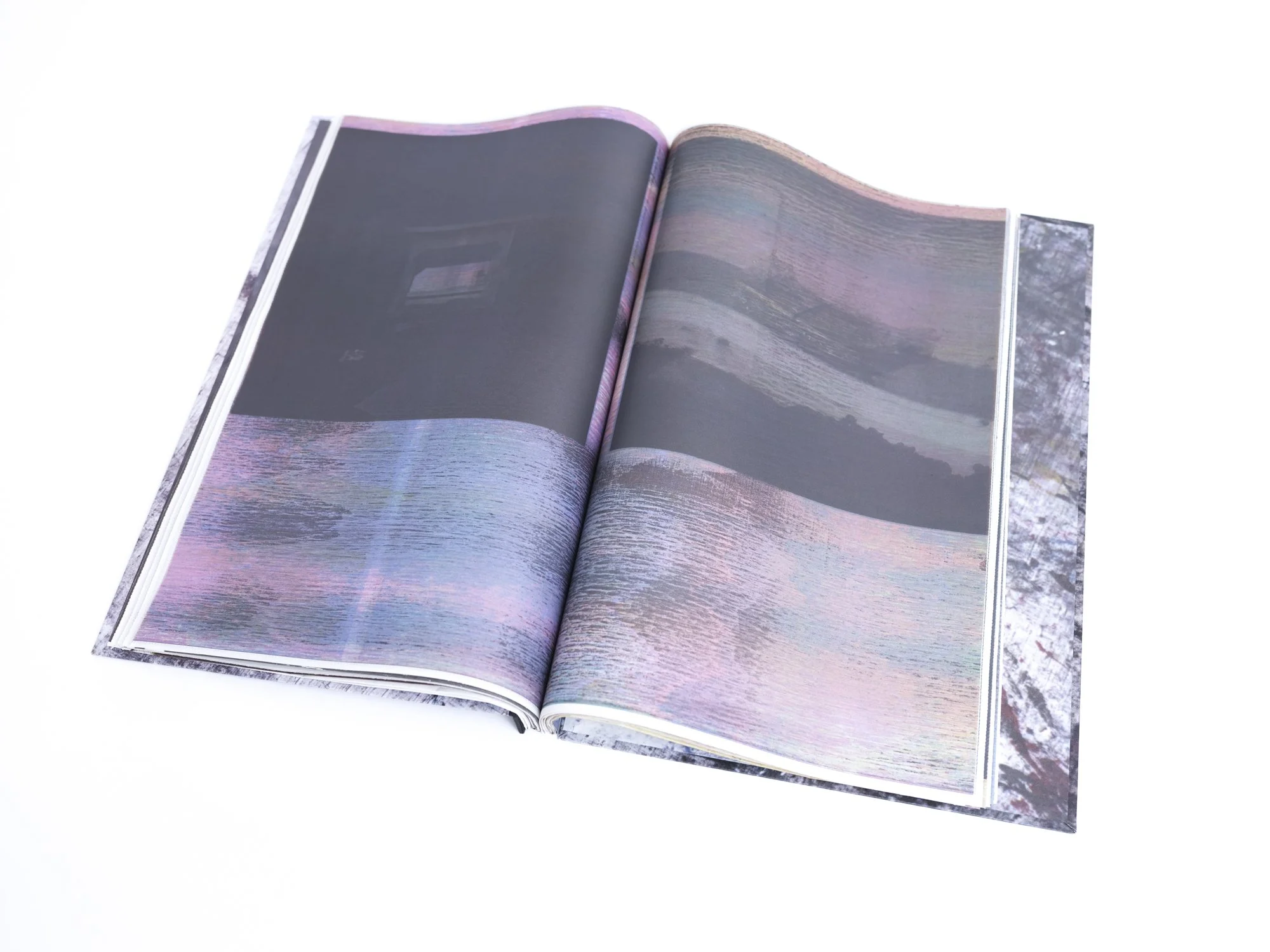 Image 24 of 29
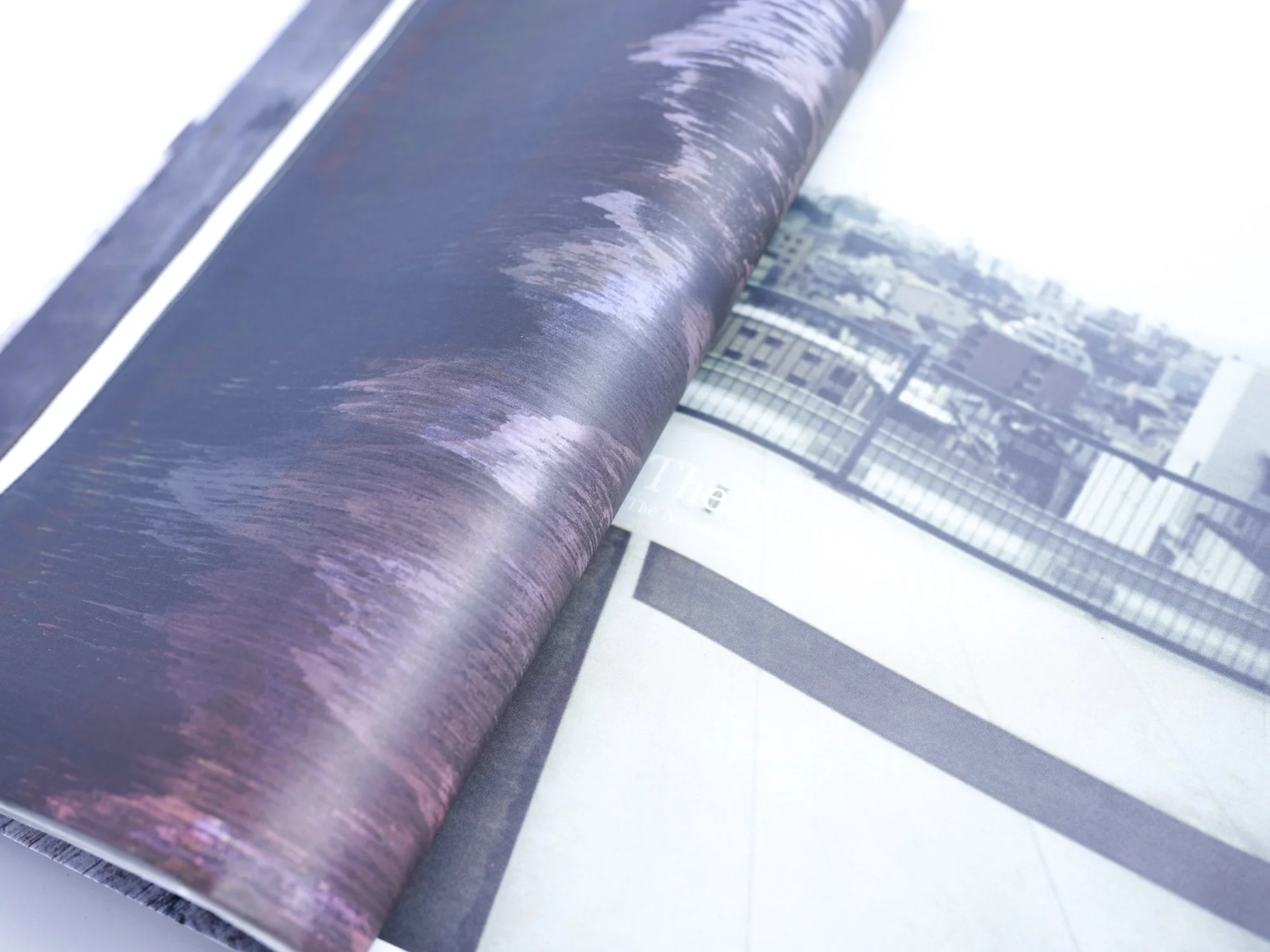 Image 25 of 29
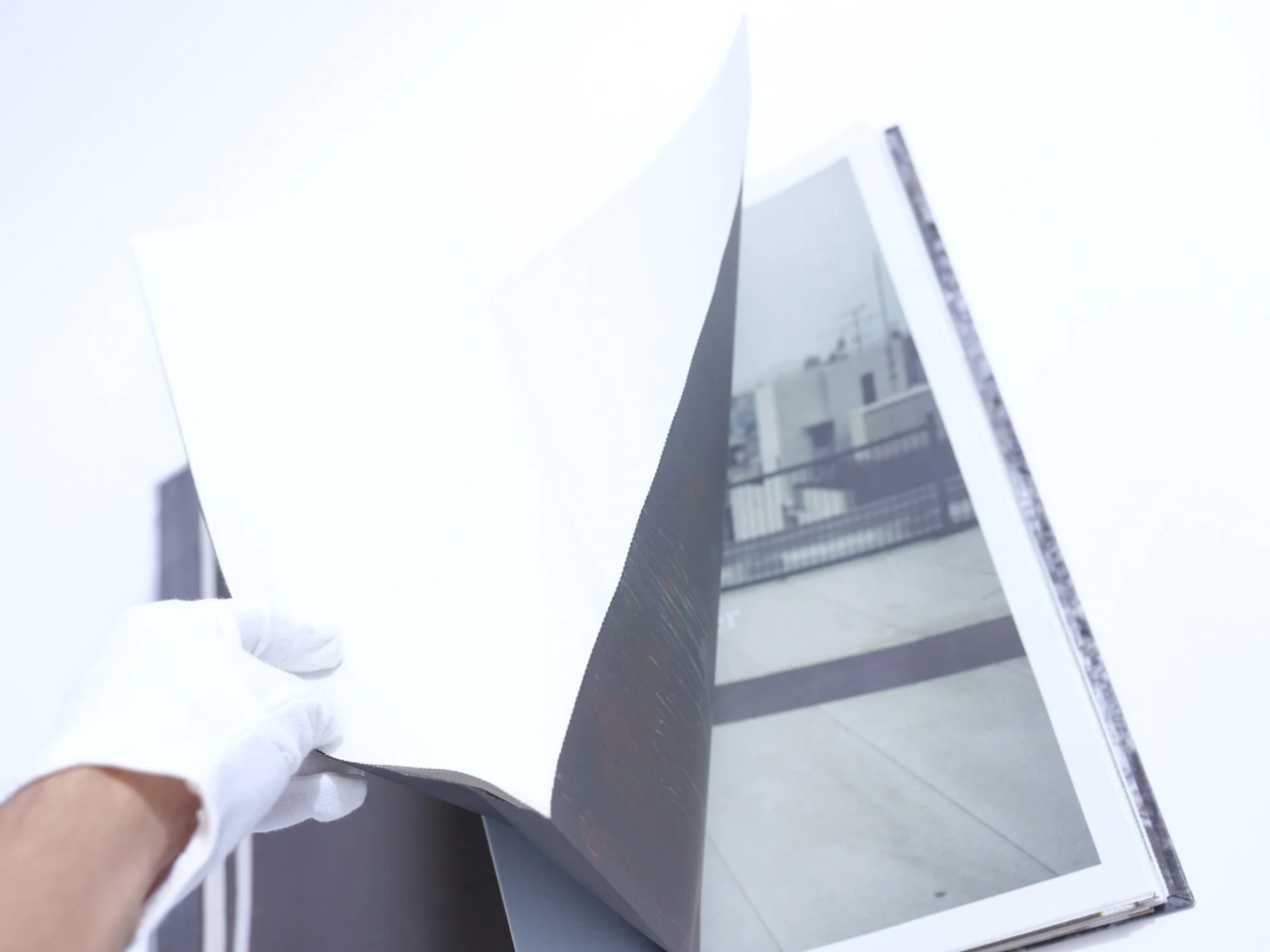 Image 26 of 29
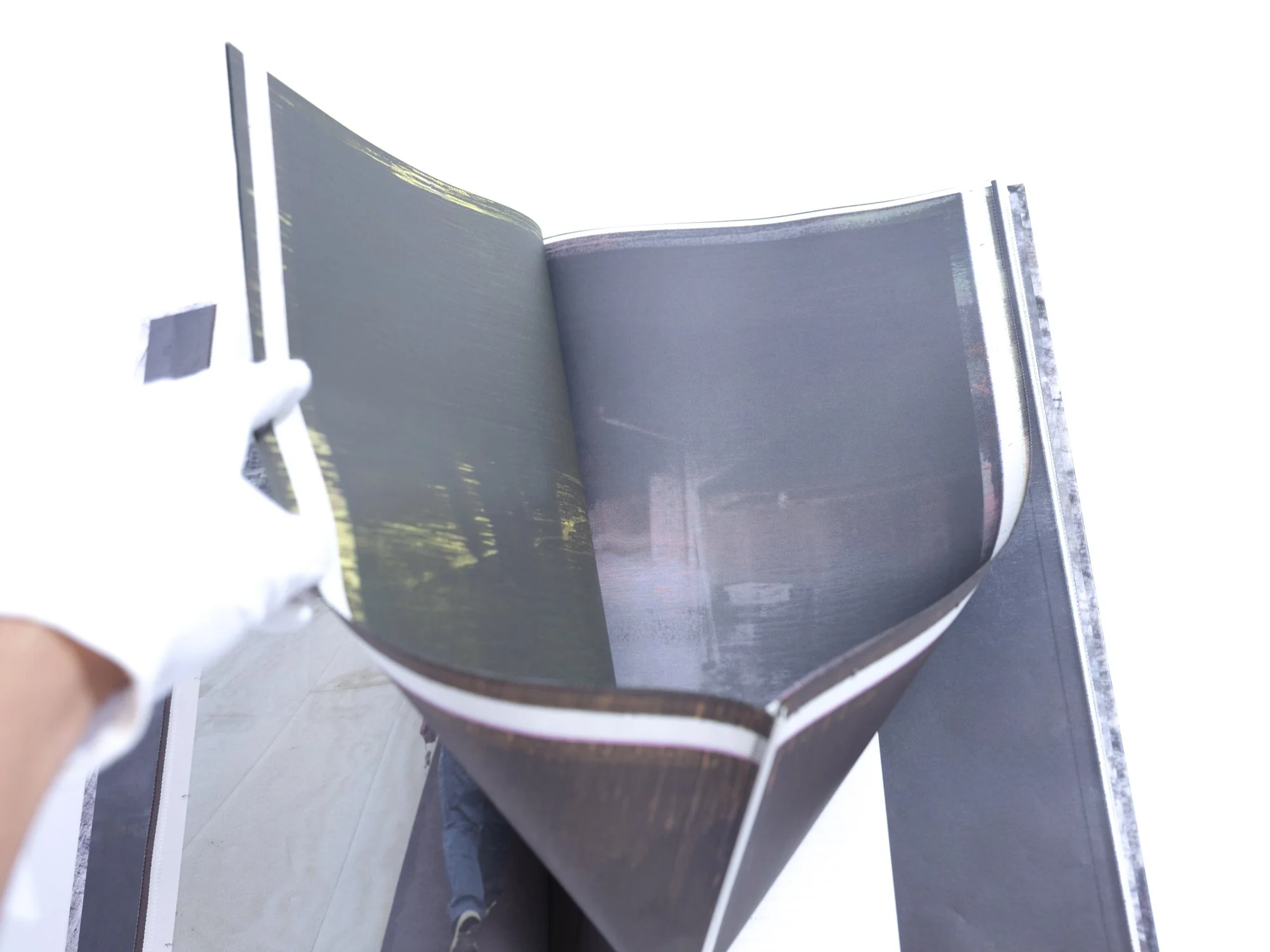 Image 27 of 29
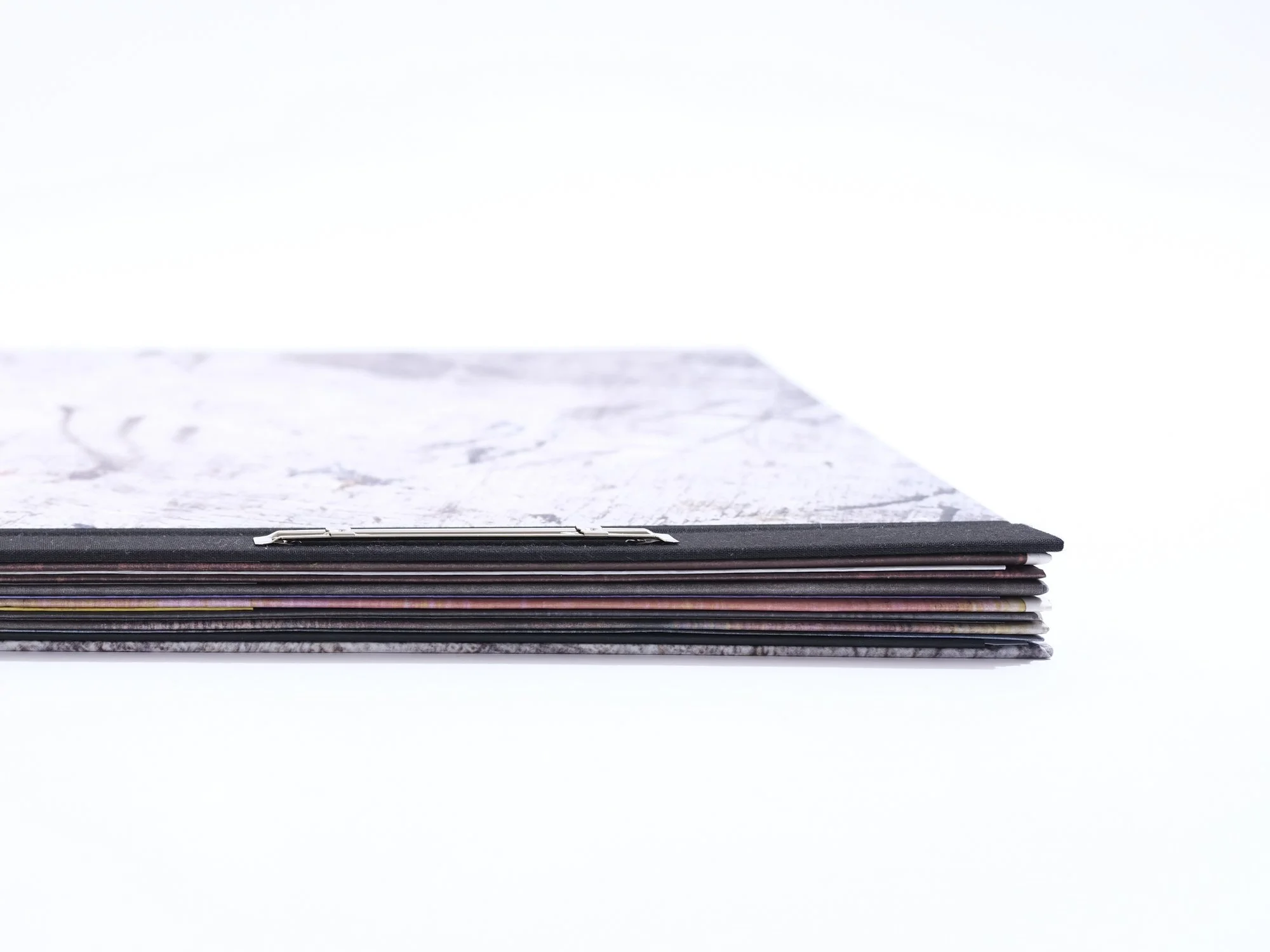 Image 28 of 29
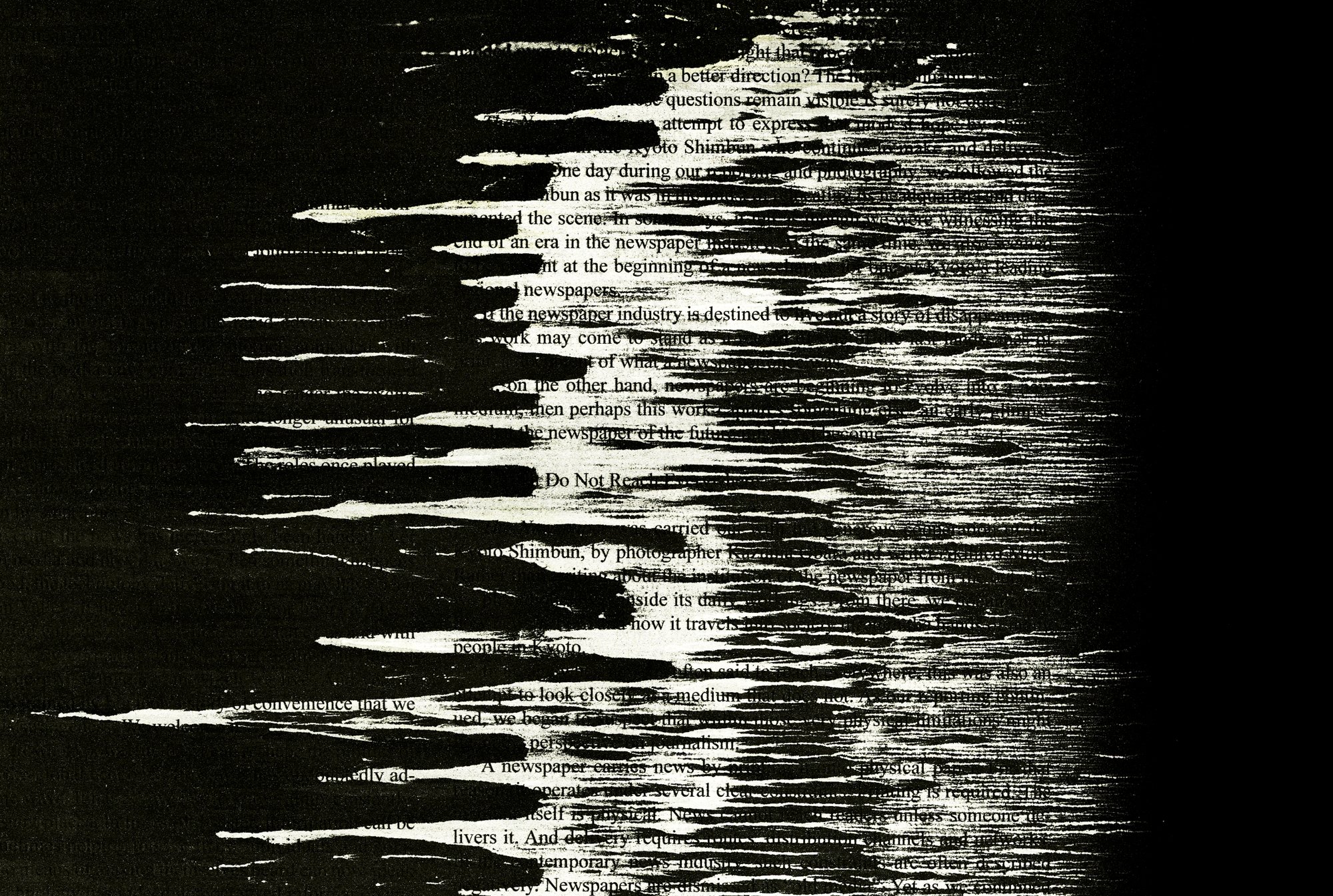 Image 29 of 29