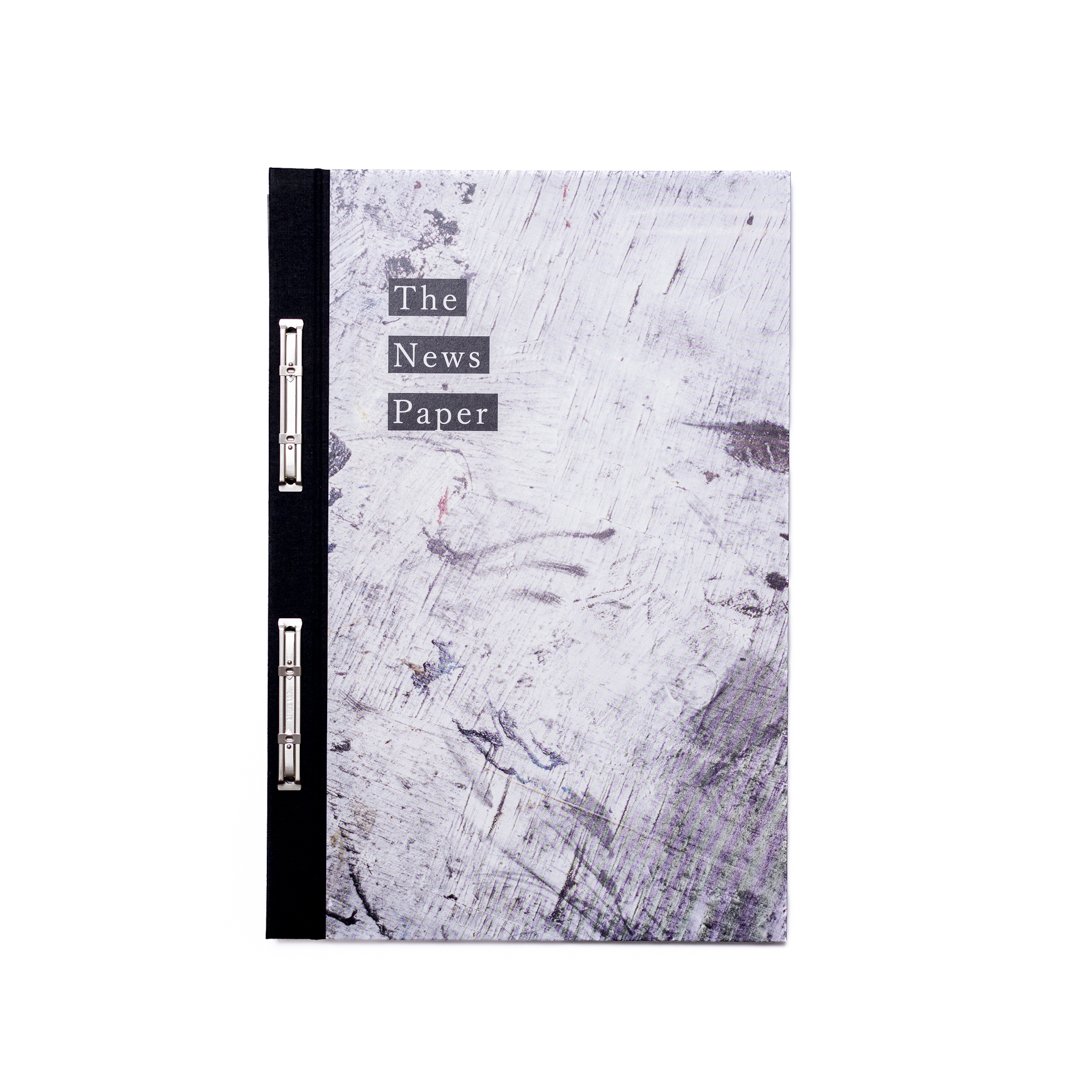
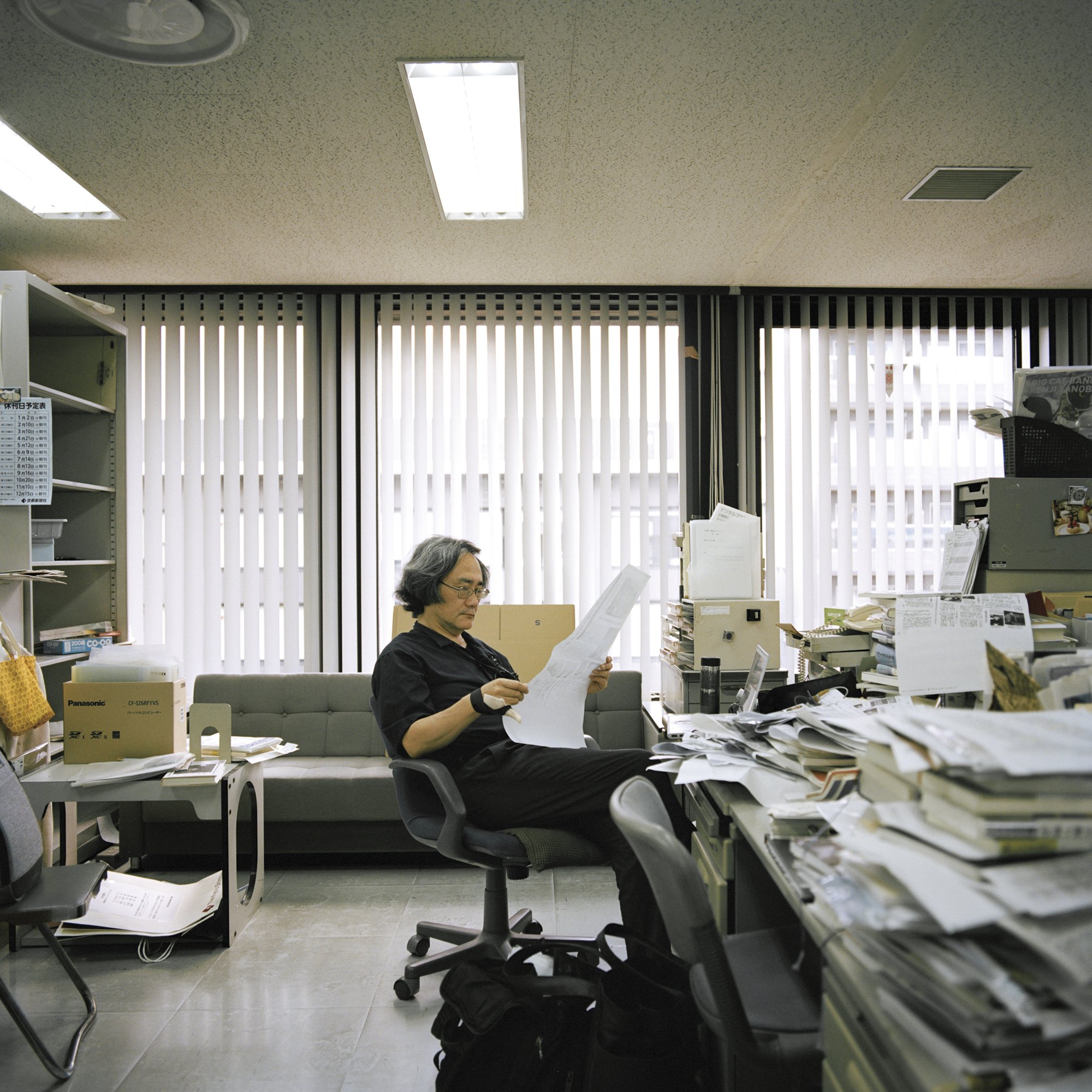
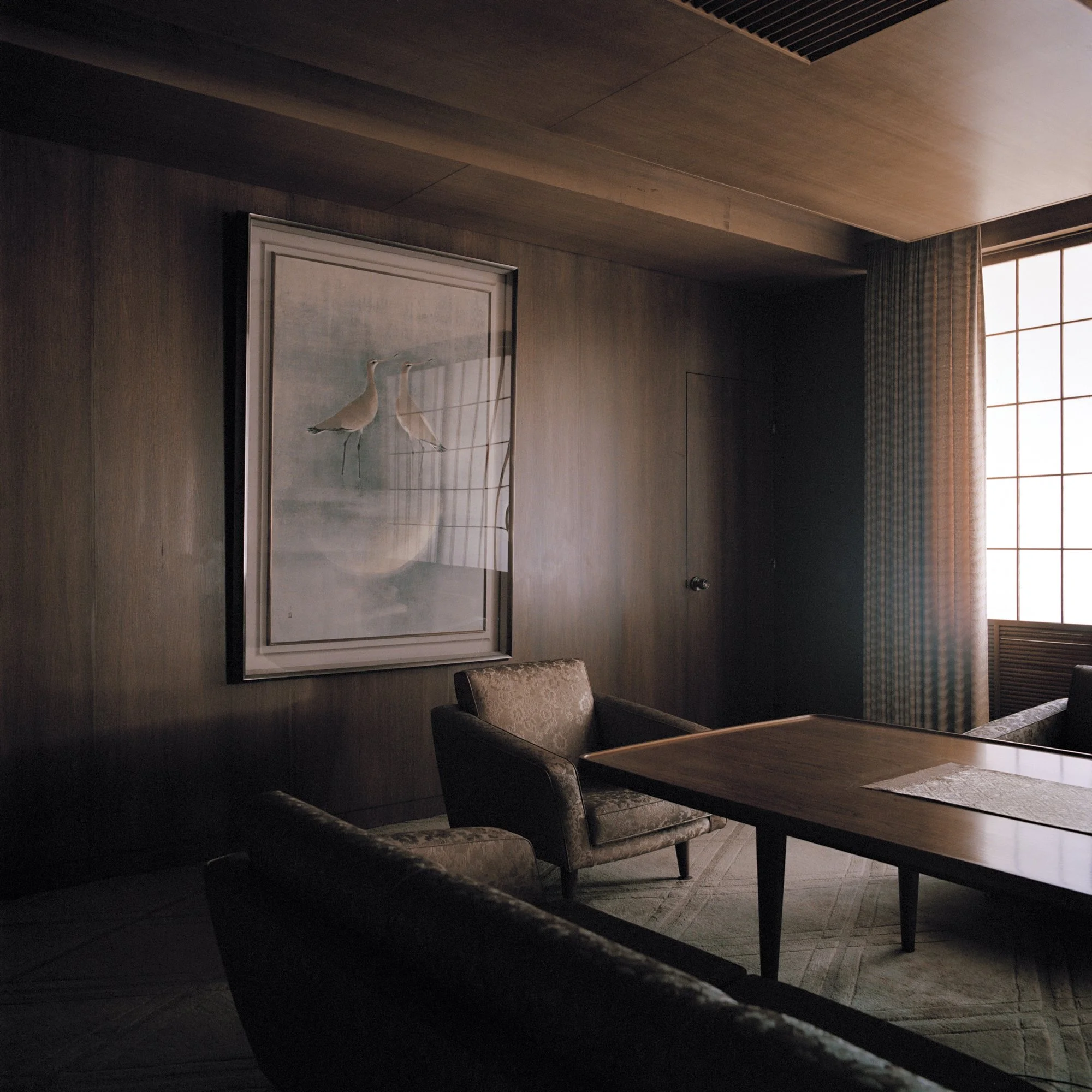
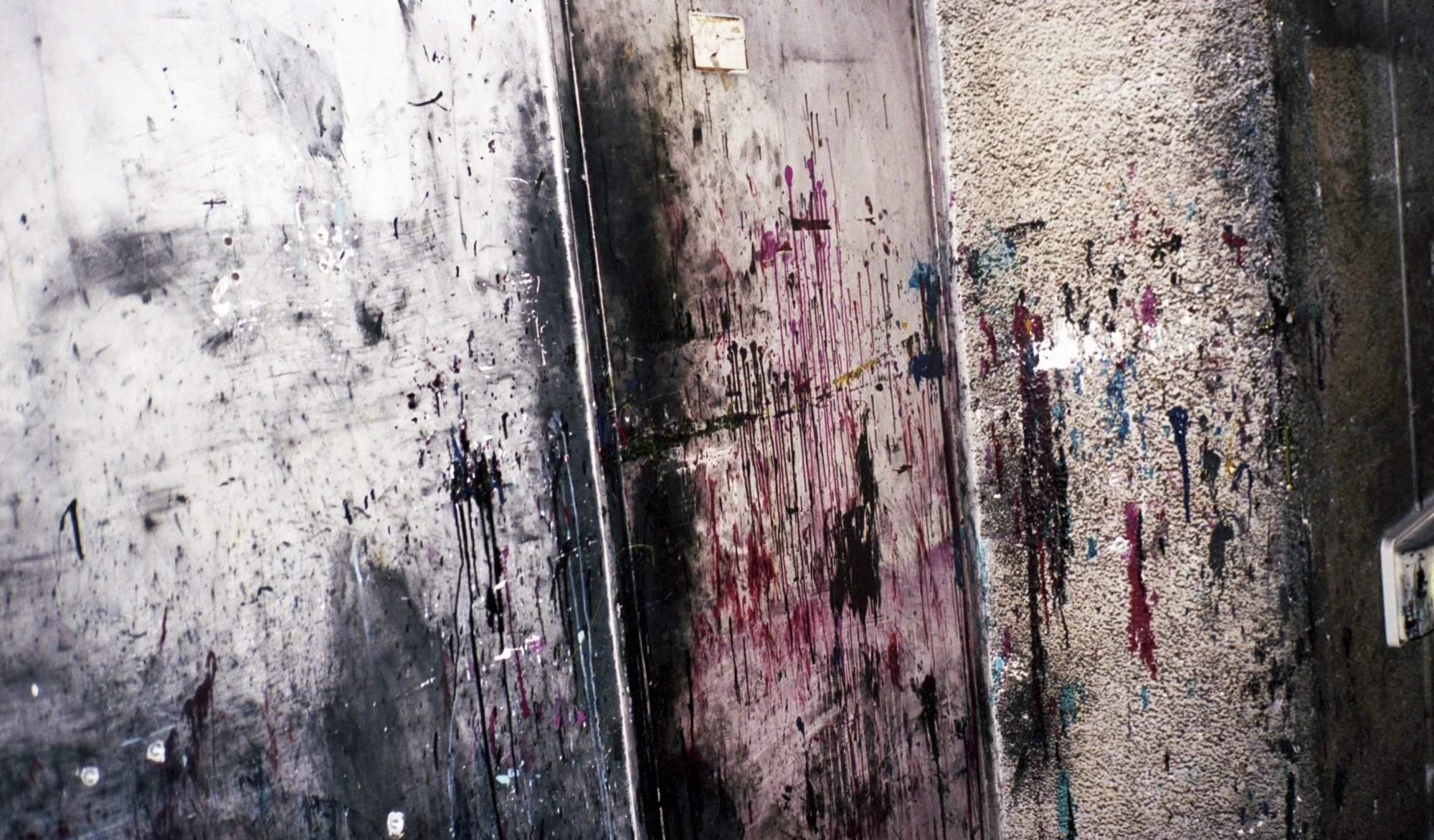
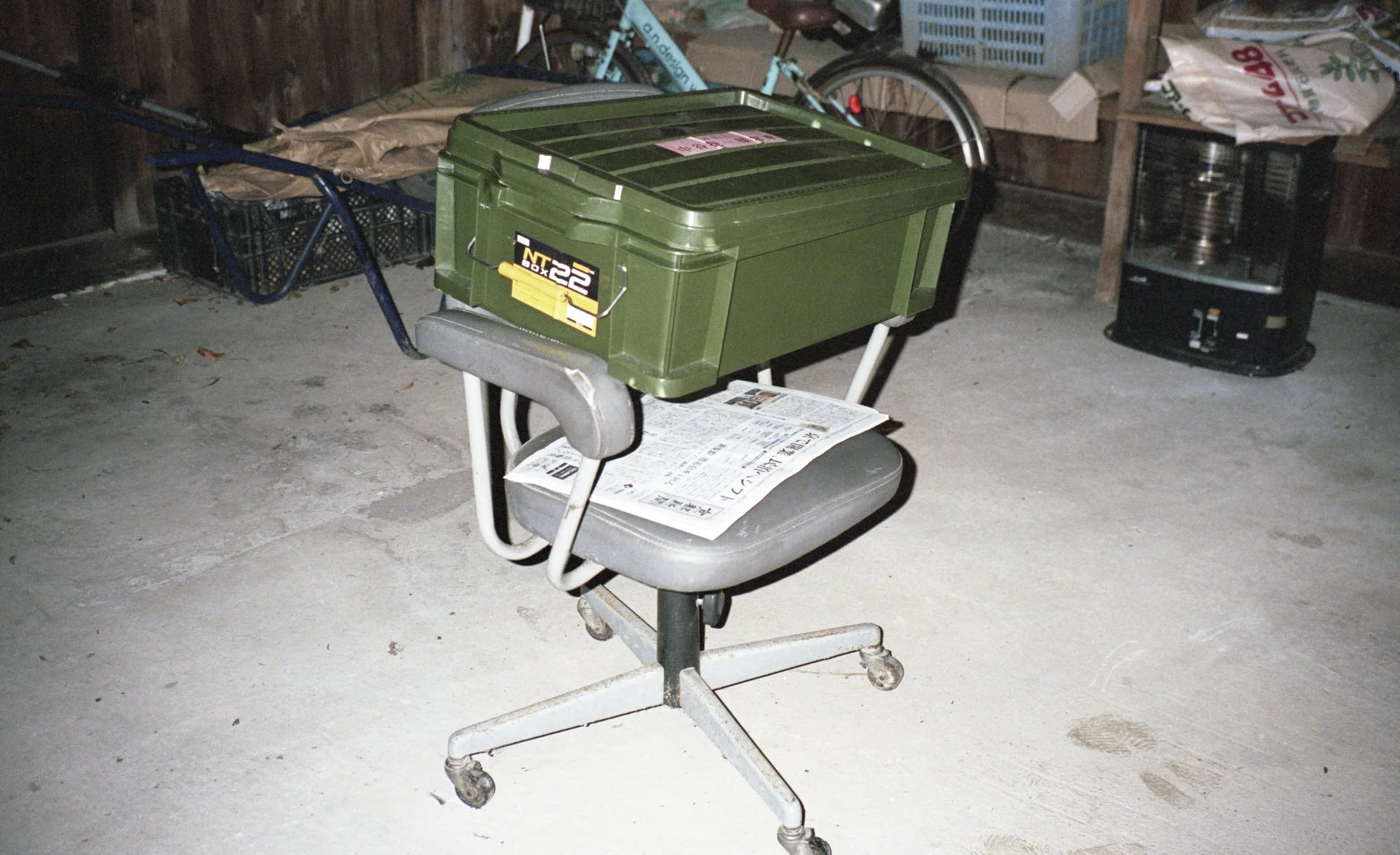
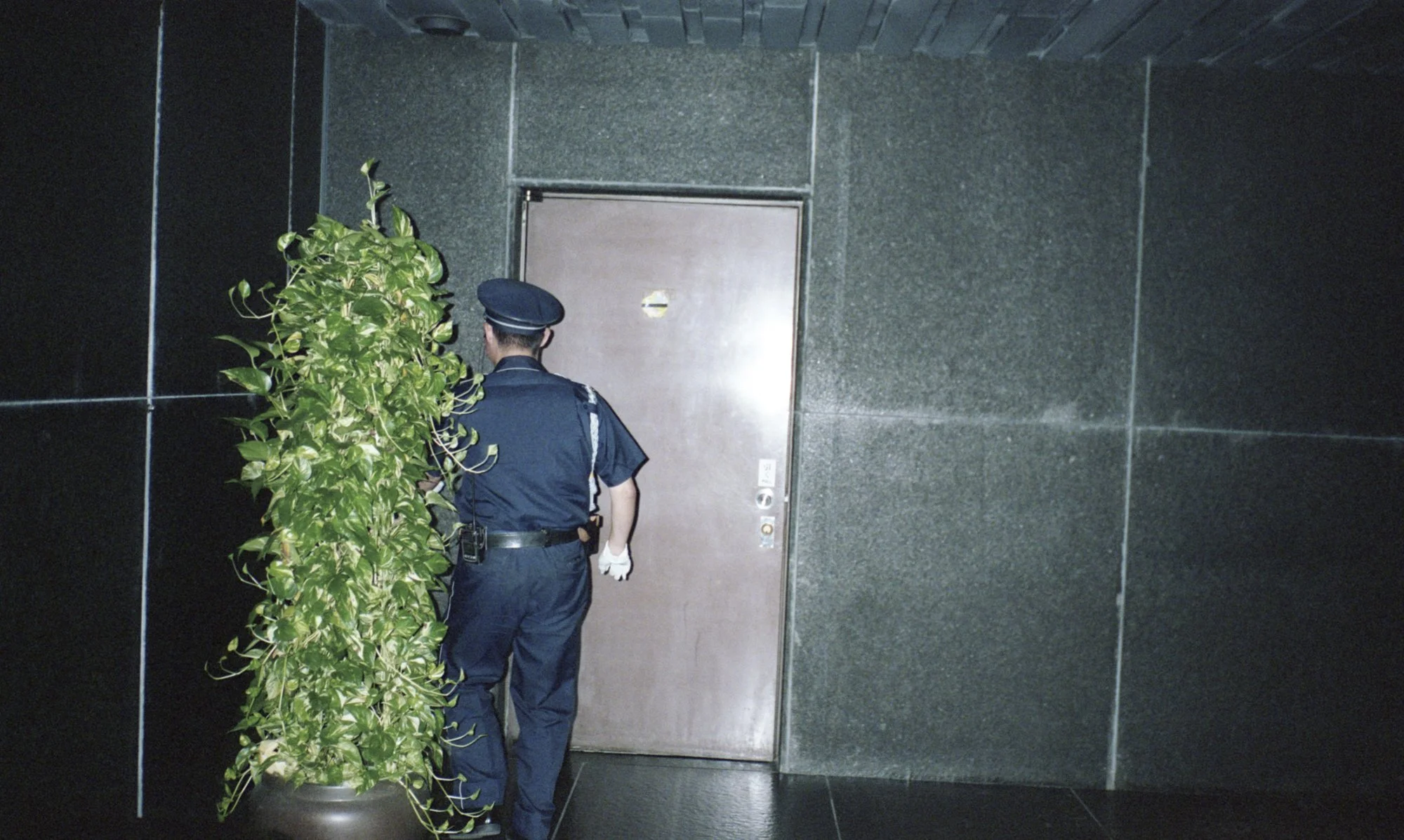
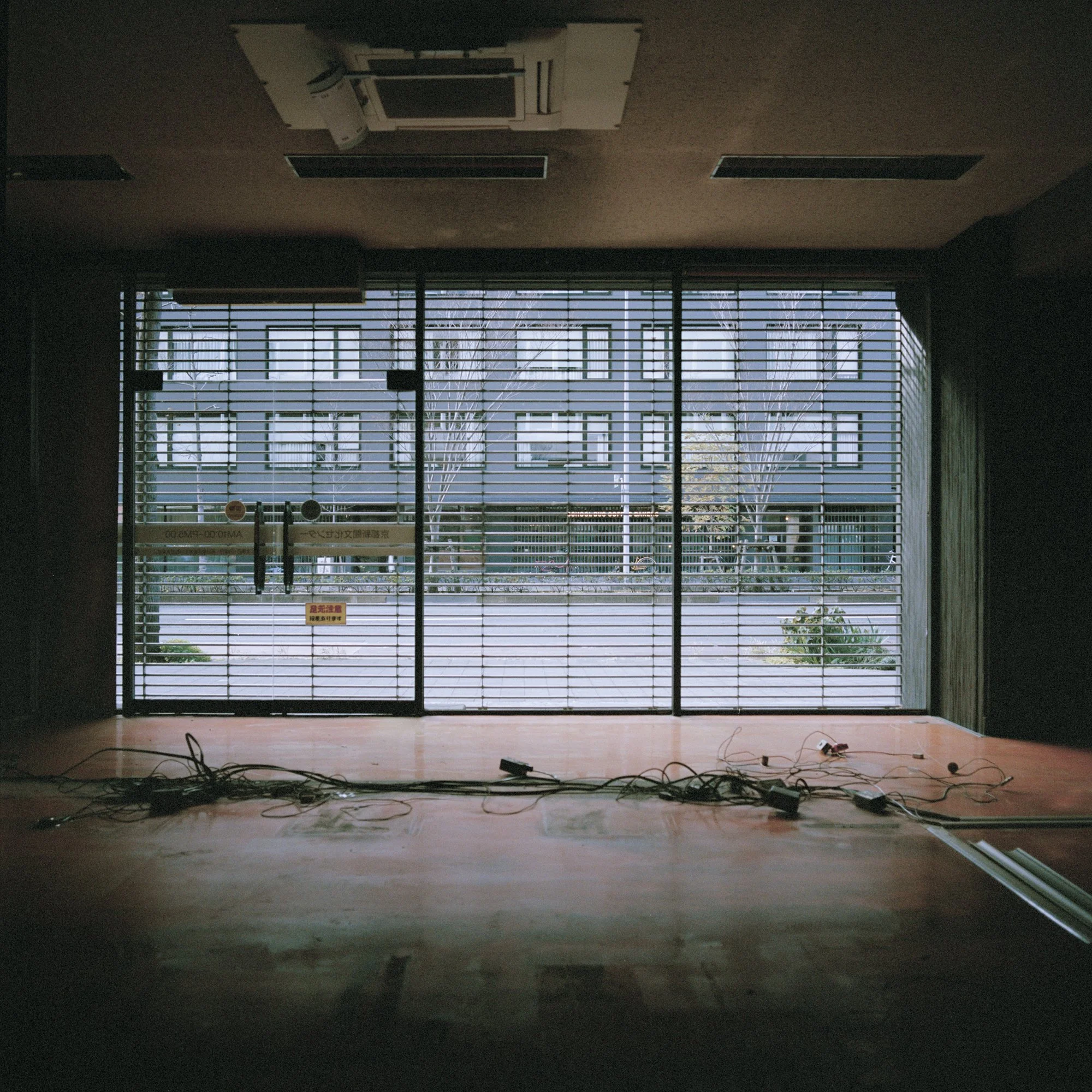
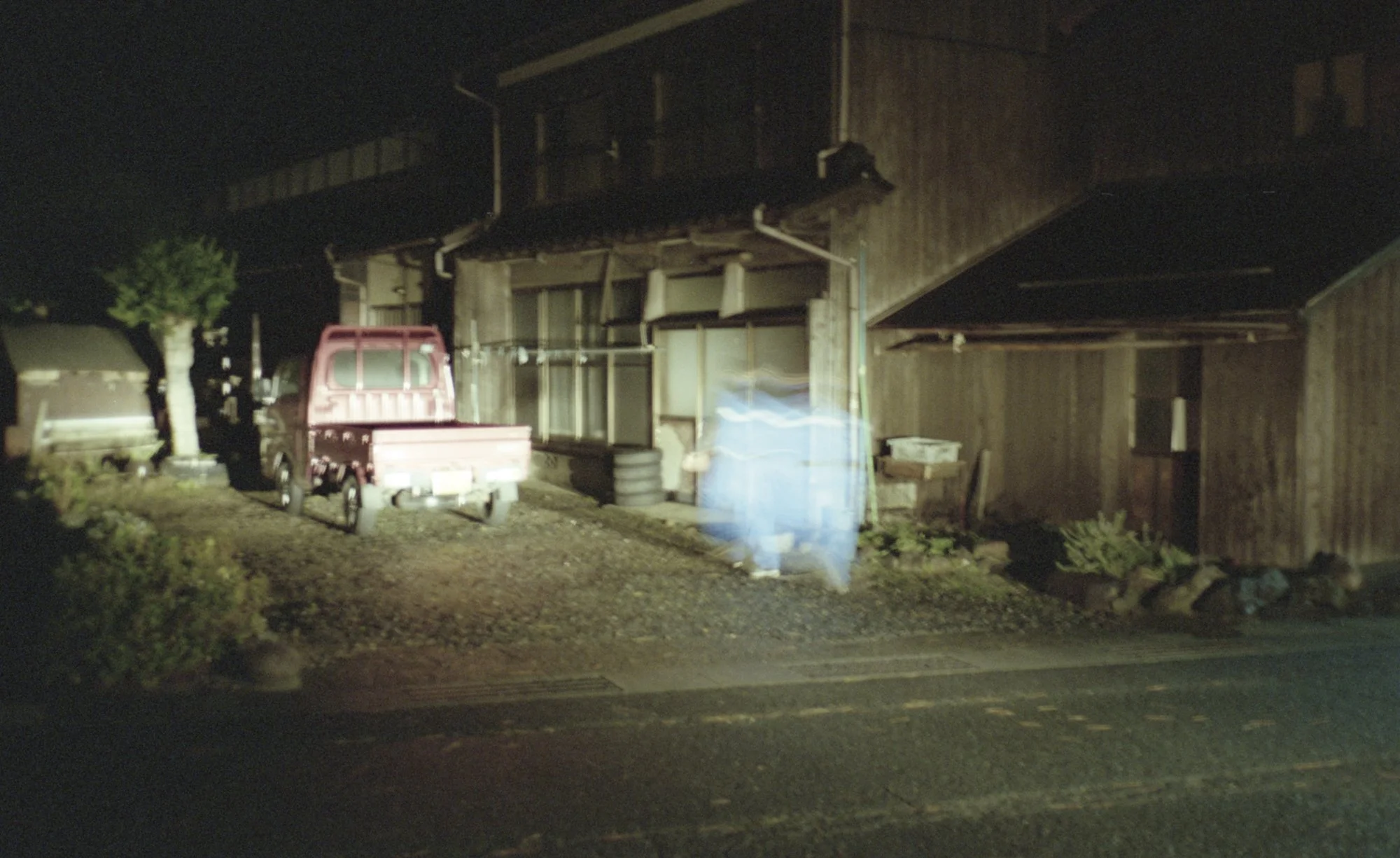
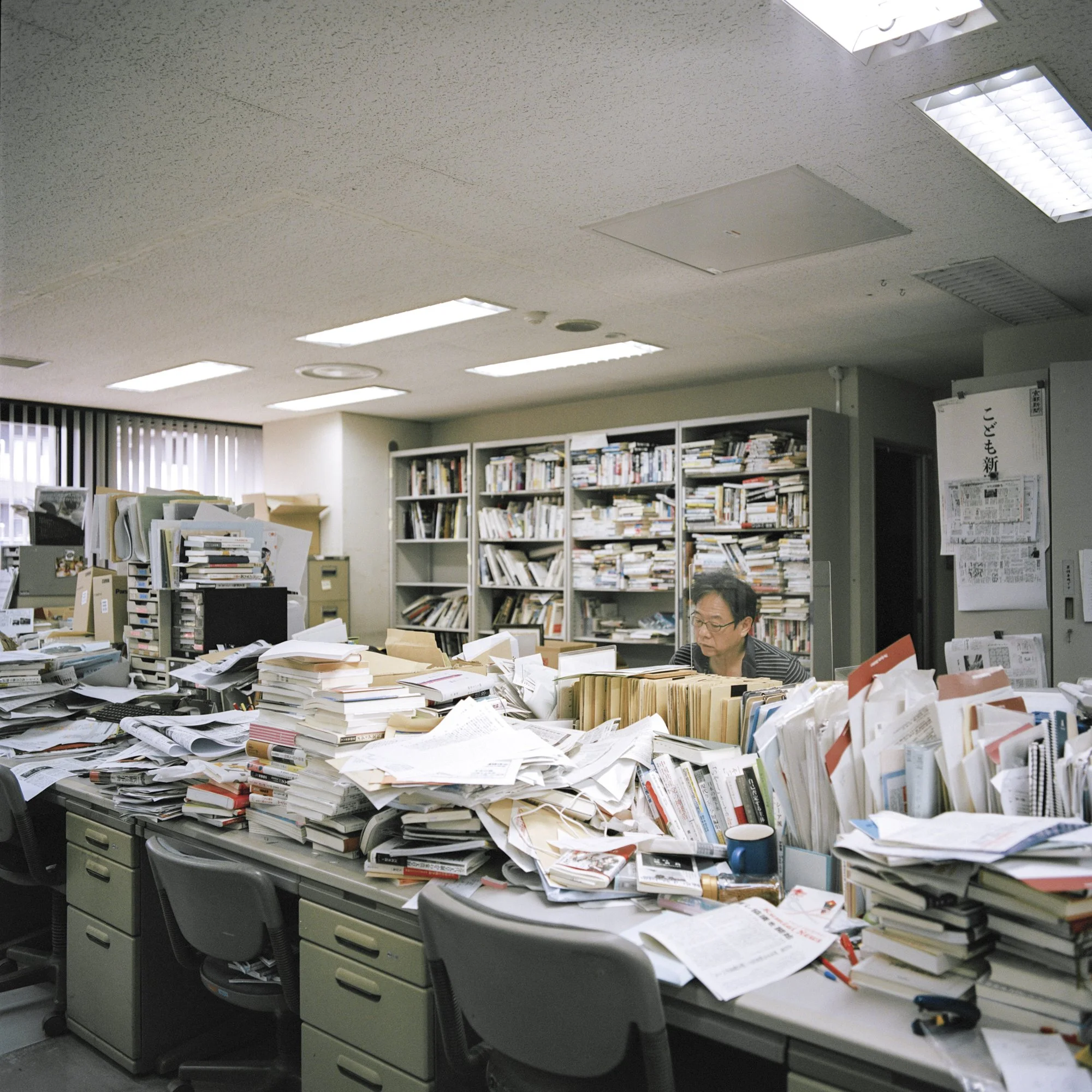
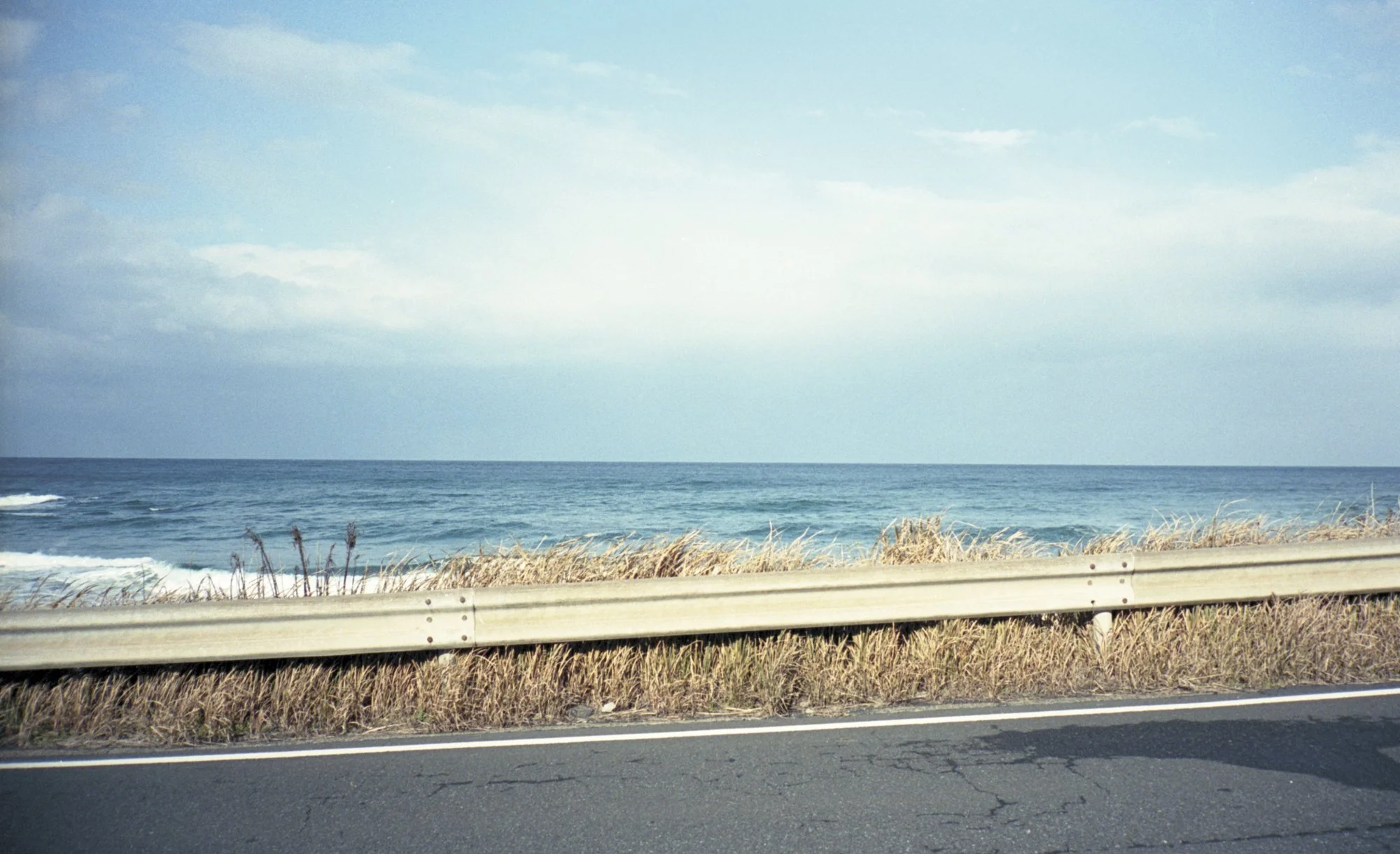
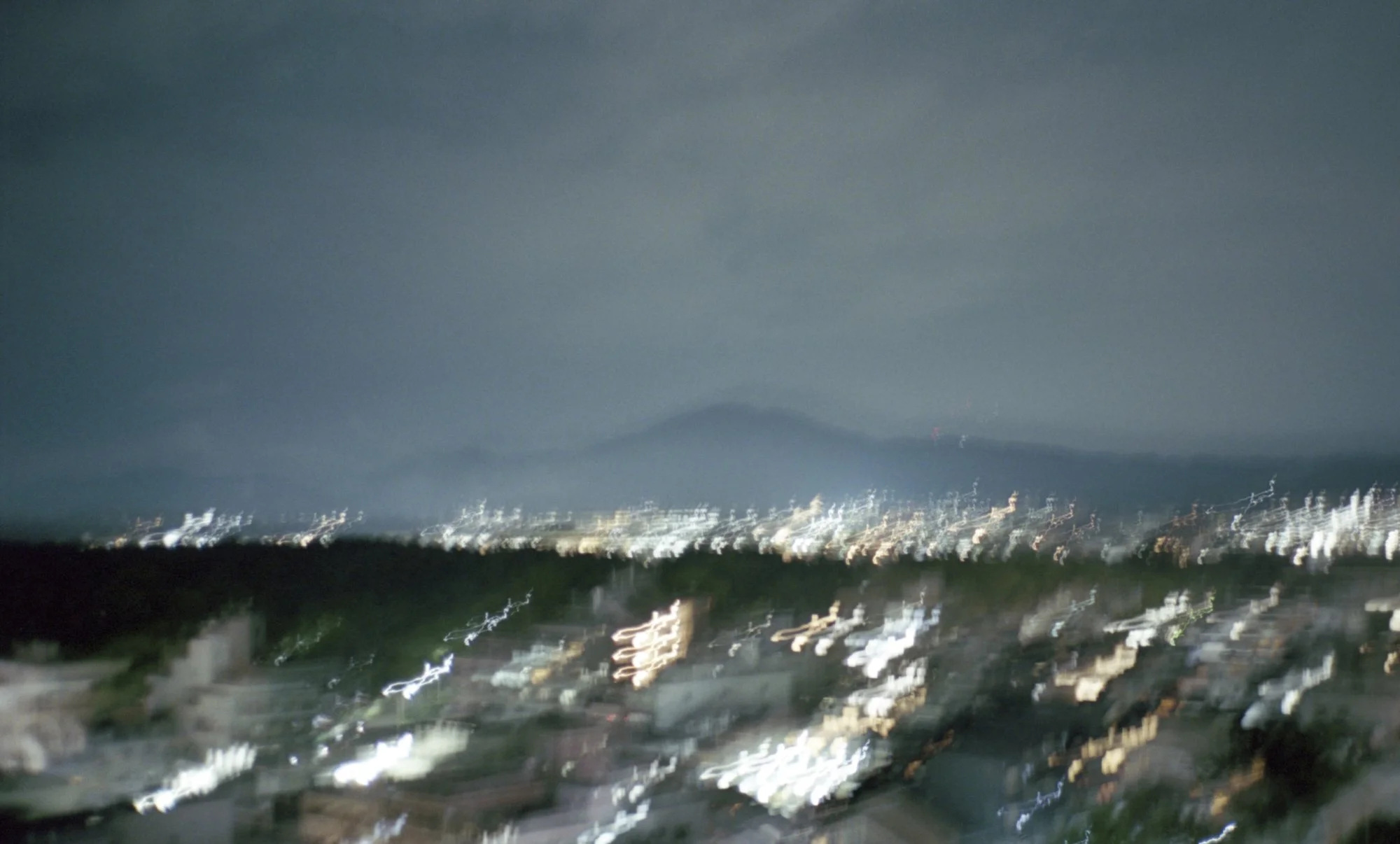
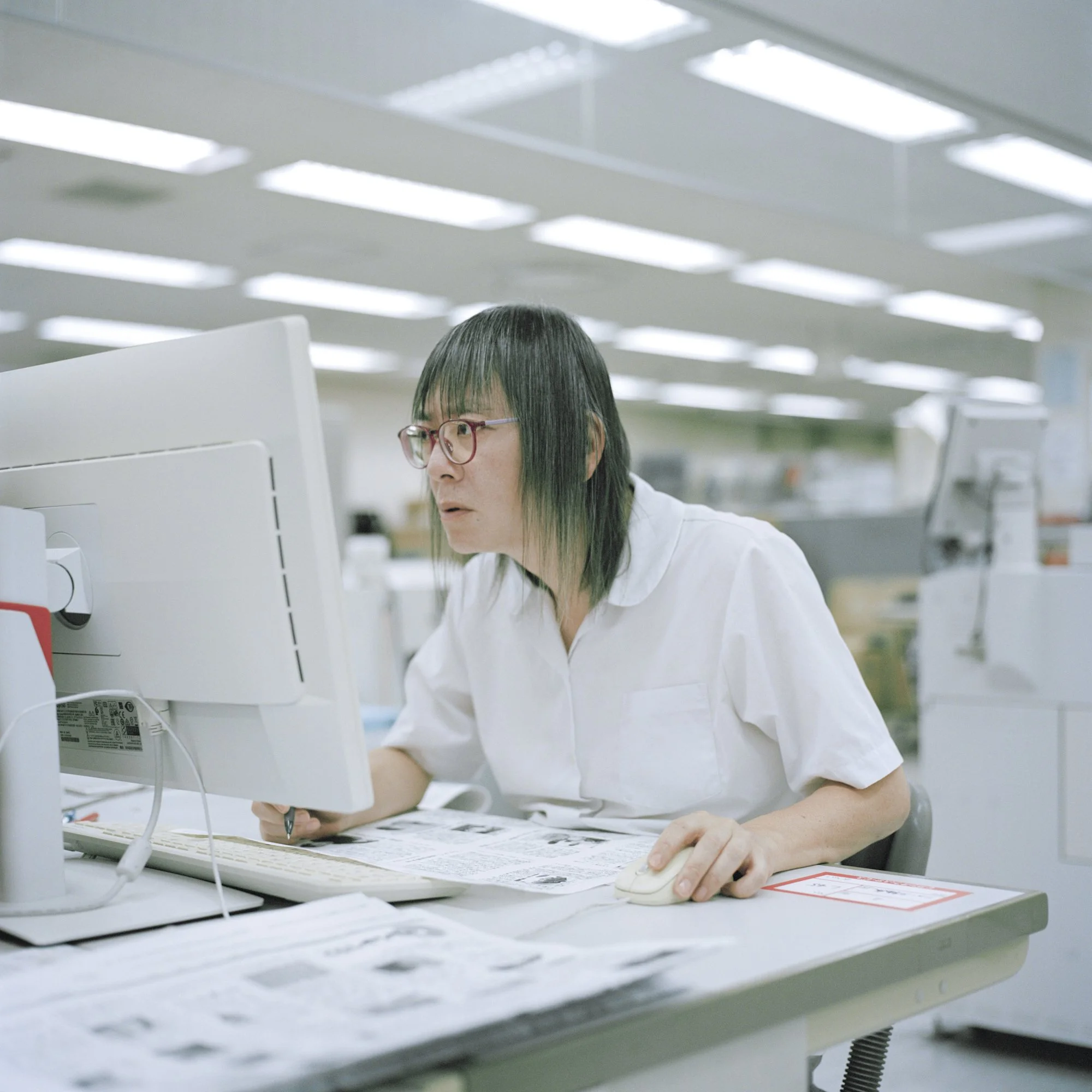
The Newspaper is a photobook produced using the newspaper itself as its medium. The project is set within the Kyoto Shimbun, one of Japan’s oldest regional newspapers with a history spanning more than 140 years. Even today, reporters continue travelling to remote mountain villages, while newspaper carriers deliver the news every day. Japanese photographer Kazuma Obara and writer Akihico Mori documented, through photographs and texts, one of the final landscapes left behind by the newspaper industry.
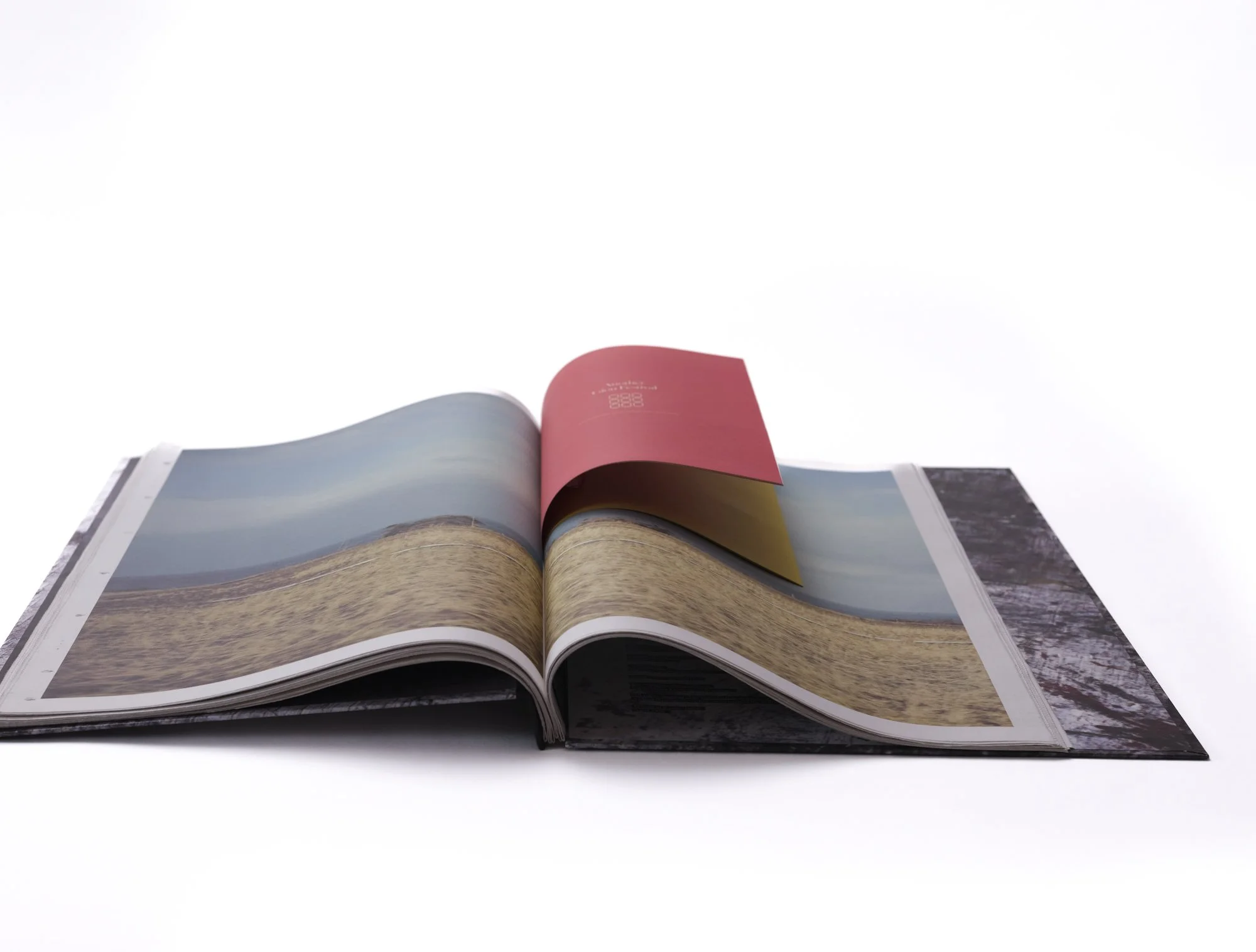
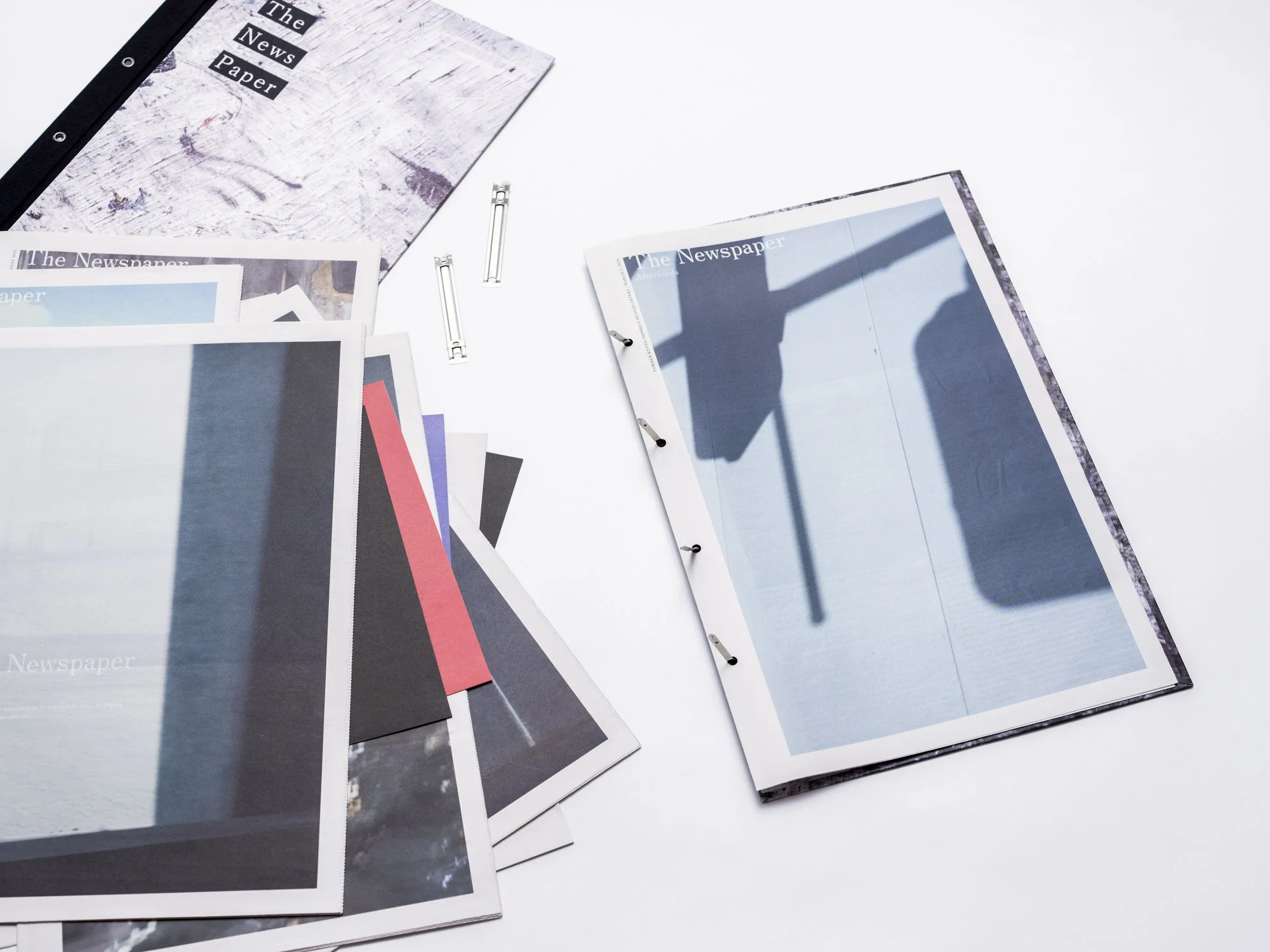
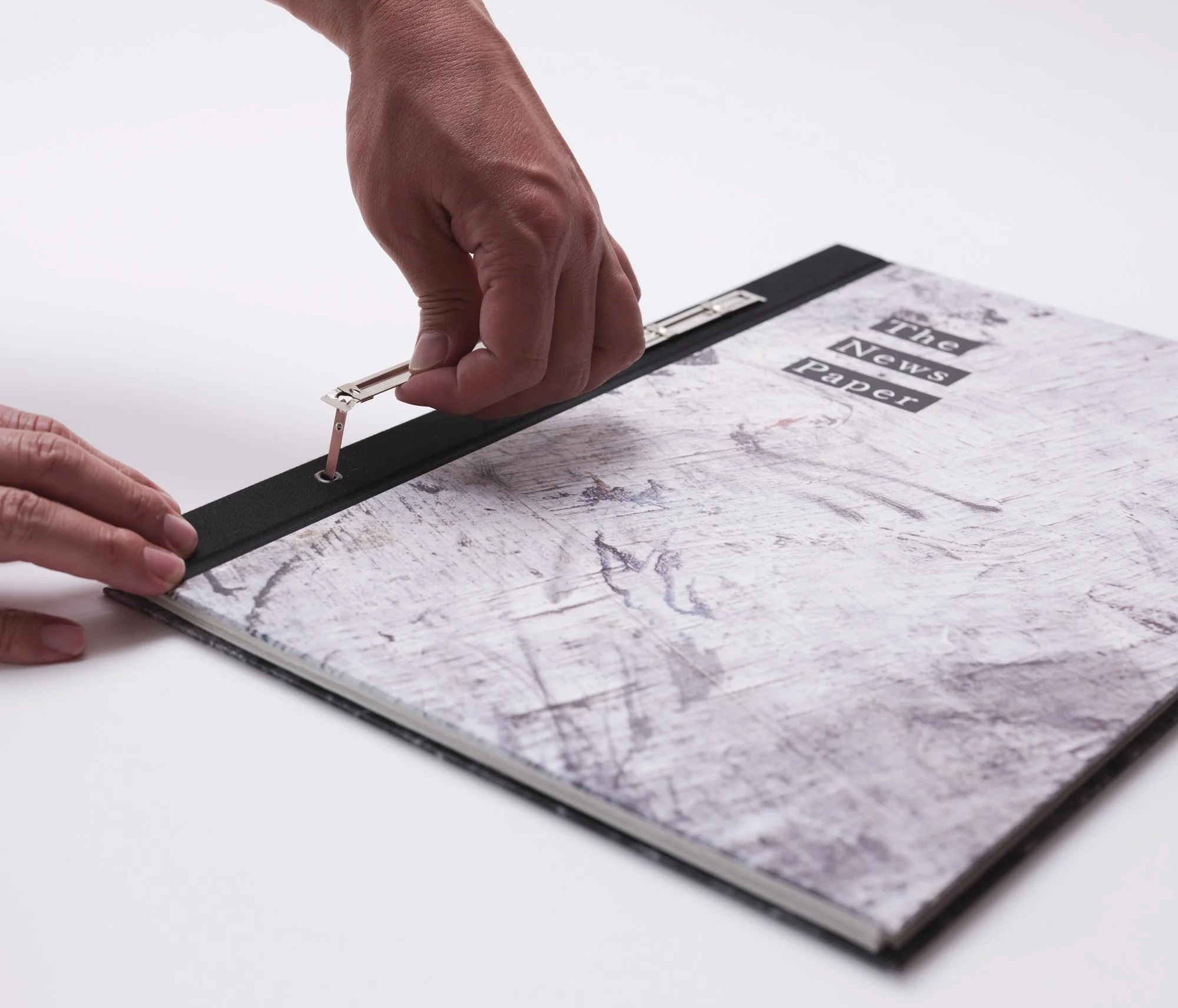
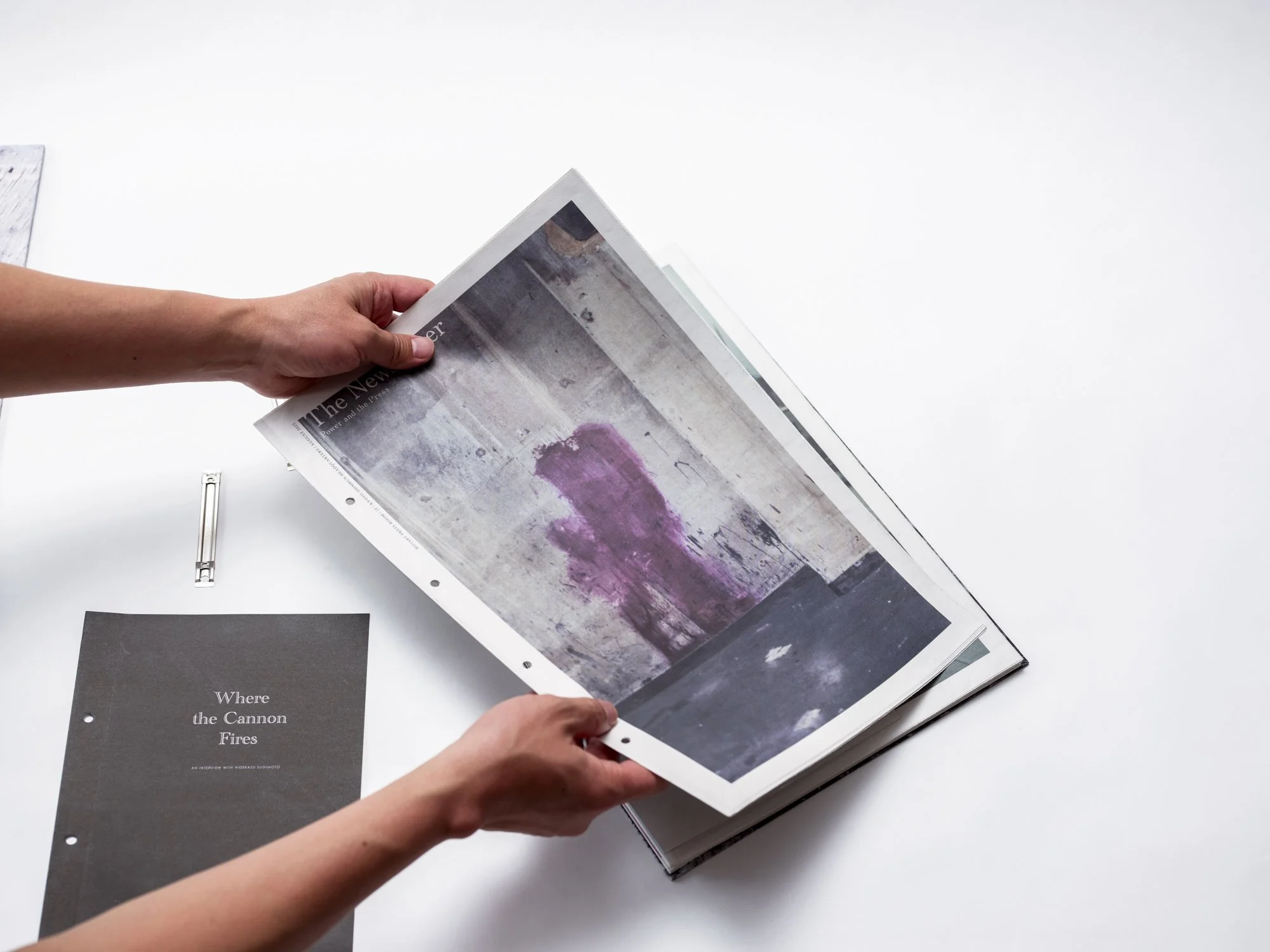
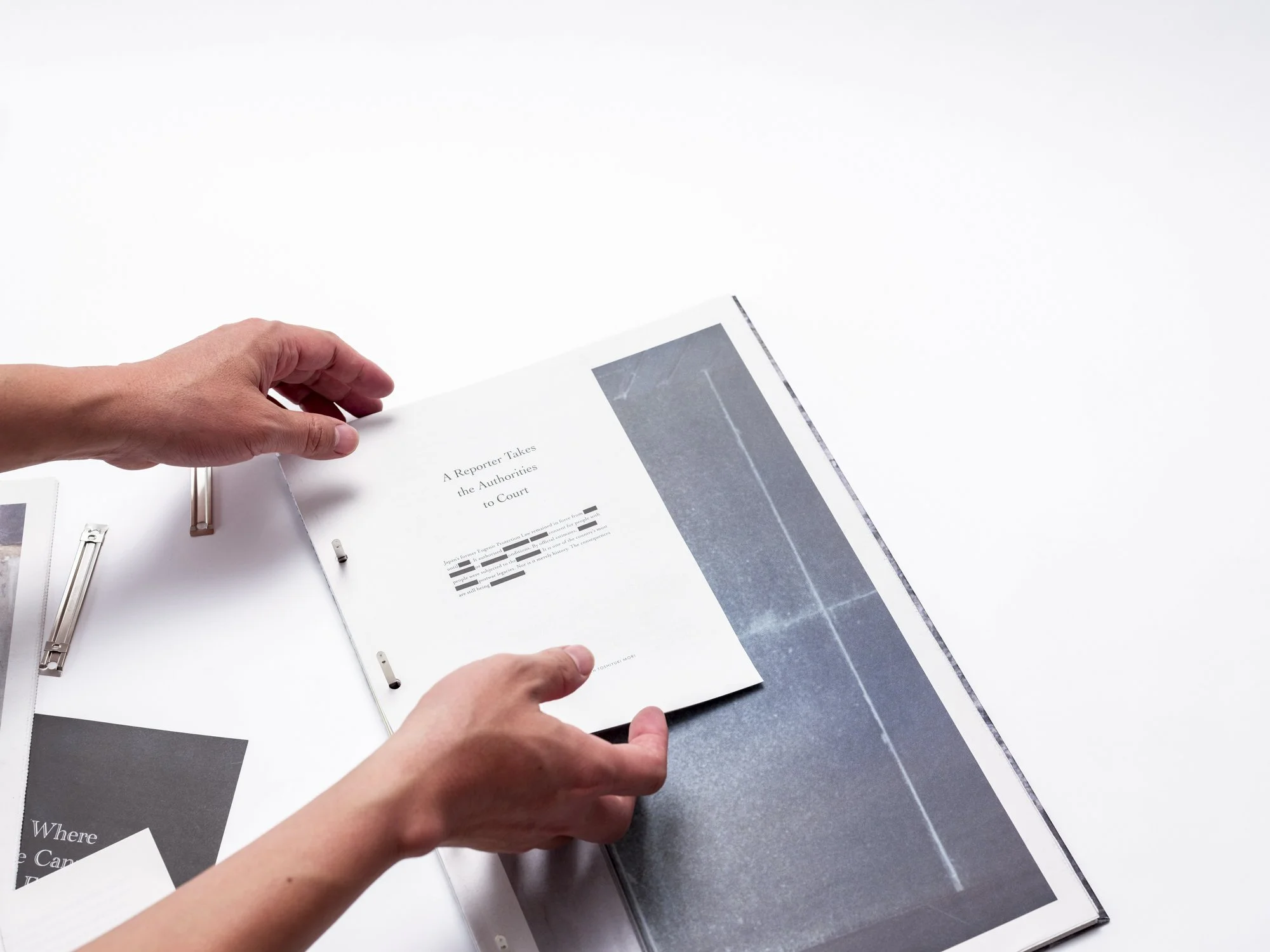
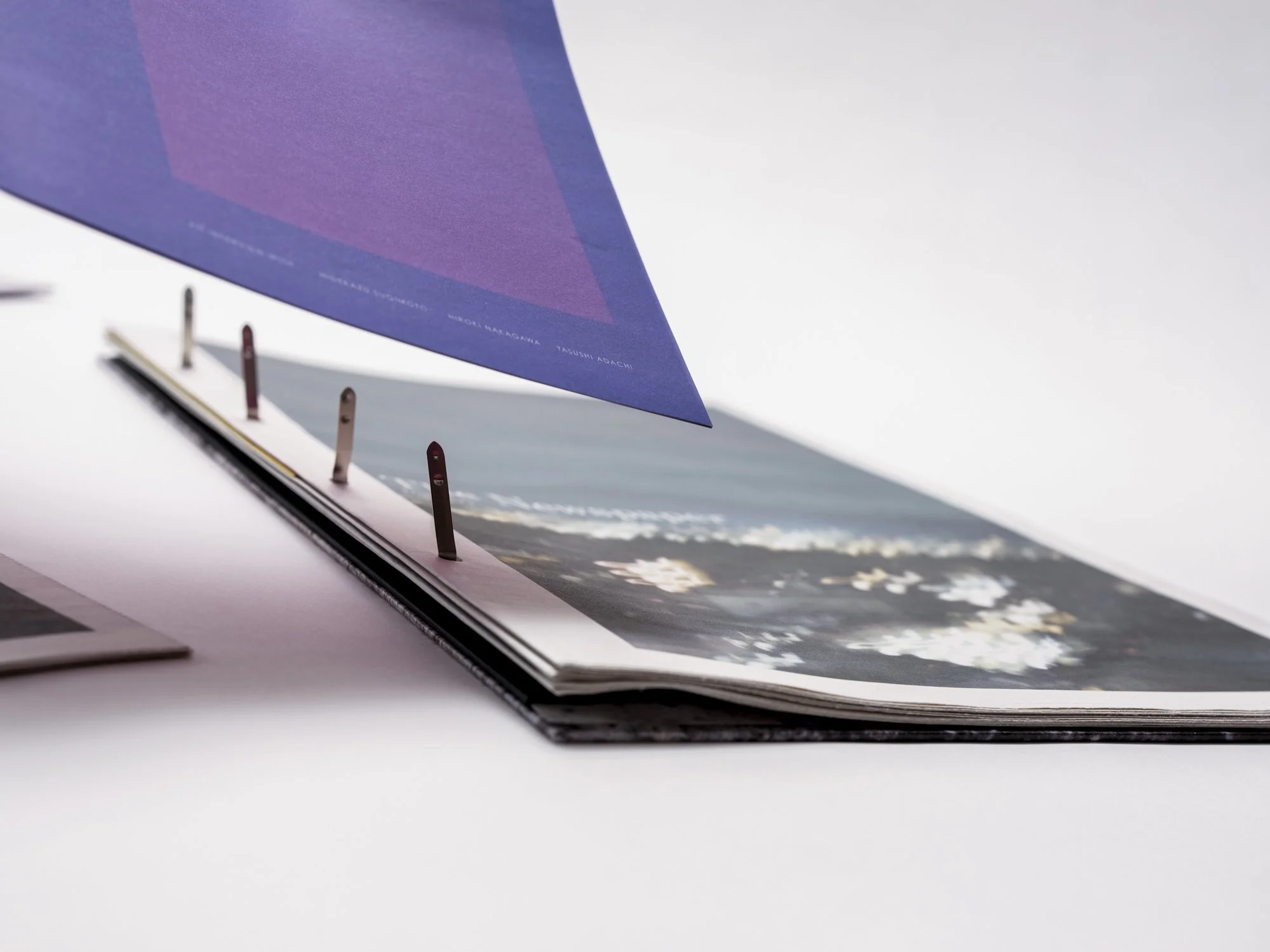
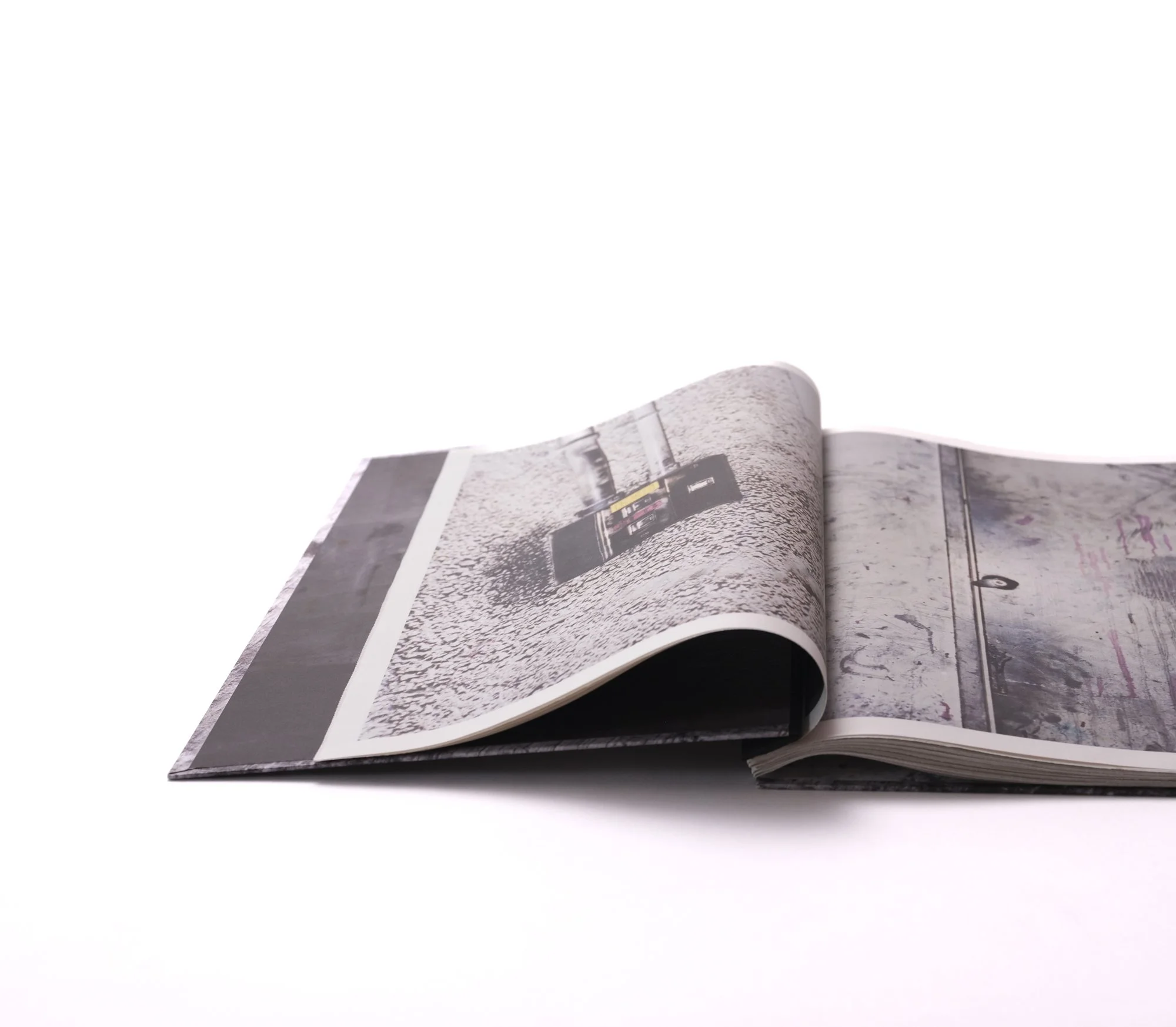
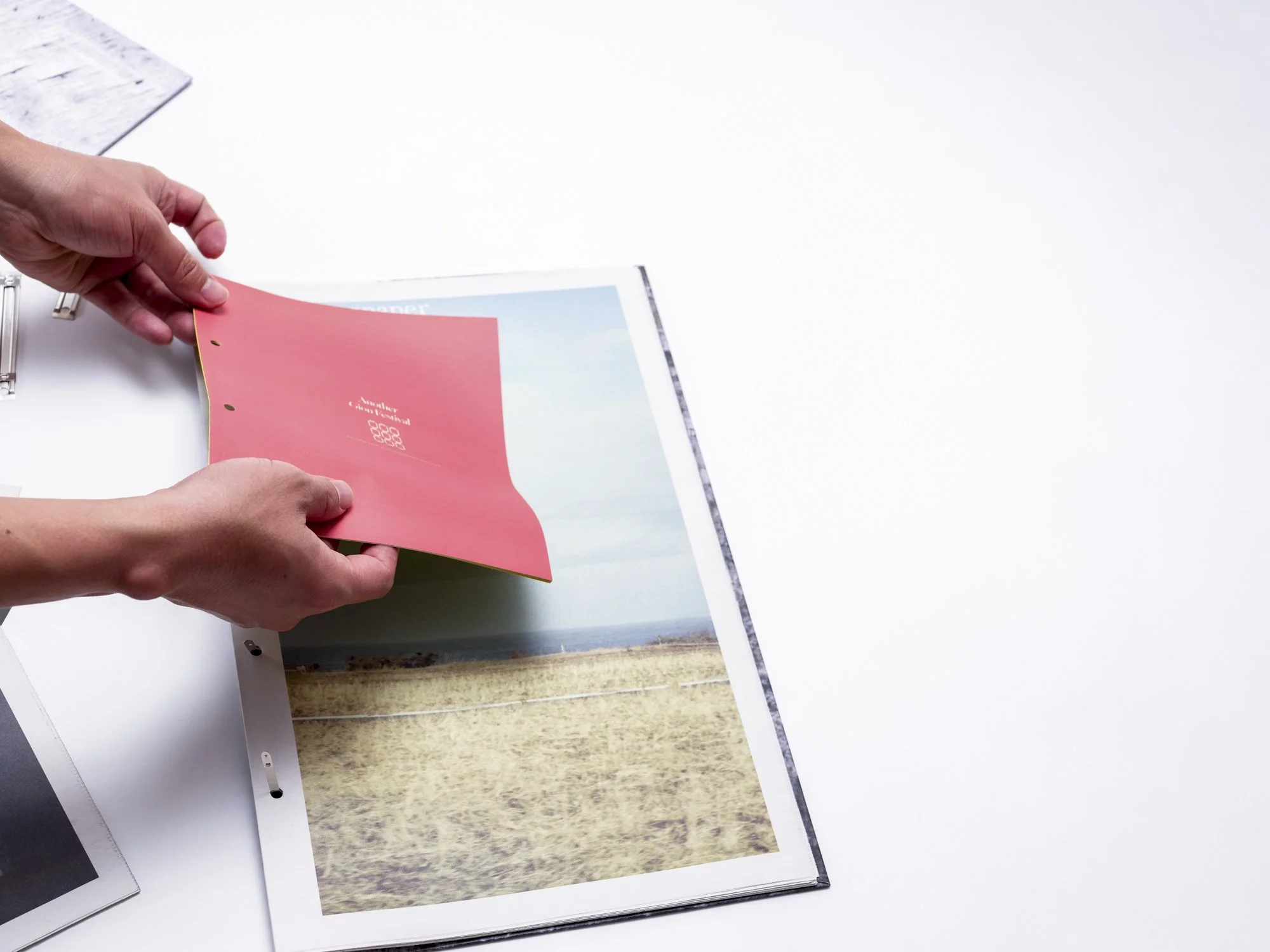
The work consists of thirteen separate newspapers printed on a rotary press and archived together with metal bindings, functioning collectively as a single archival photobook. At the same time, each section can also be detached and read individually as an independent newspaper. The structure of the work continuously moves between two states: photobook and newspaper, archive and circulation.
The Newspaper is a photobook produced using the newspaper itself as its medium. The project is set within the Kyoto Shimbun, one of Japan’s oldest regional newspapers with a history spanning more than 140 years. Even today, reporters continue travelling to remote mountain villages, while newspaper carriers deliver the news every day. Japanese photographer Kazuma Obara and writer Akihico Mori documented, through photographs and texts, one of the final landscapes left behind by the newspaper industry.
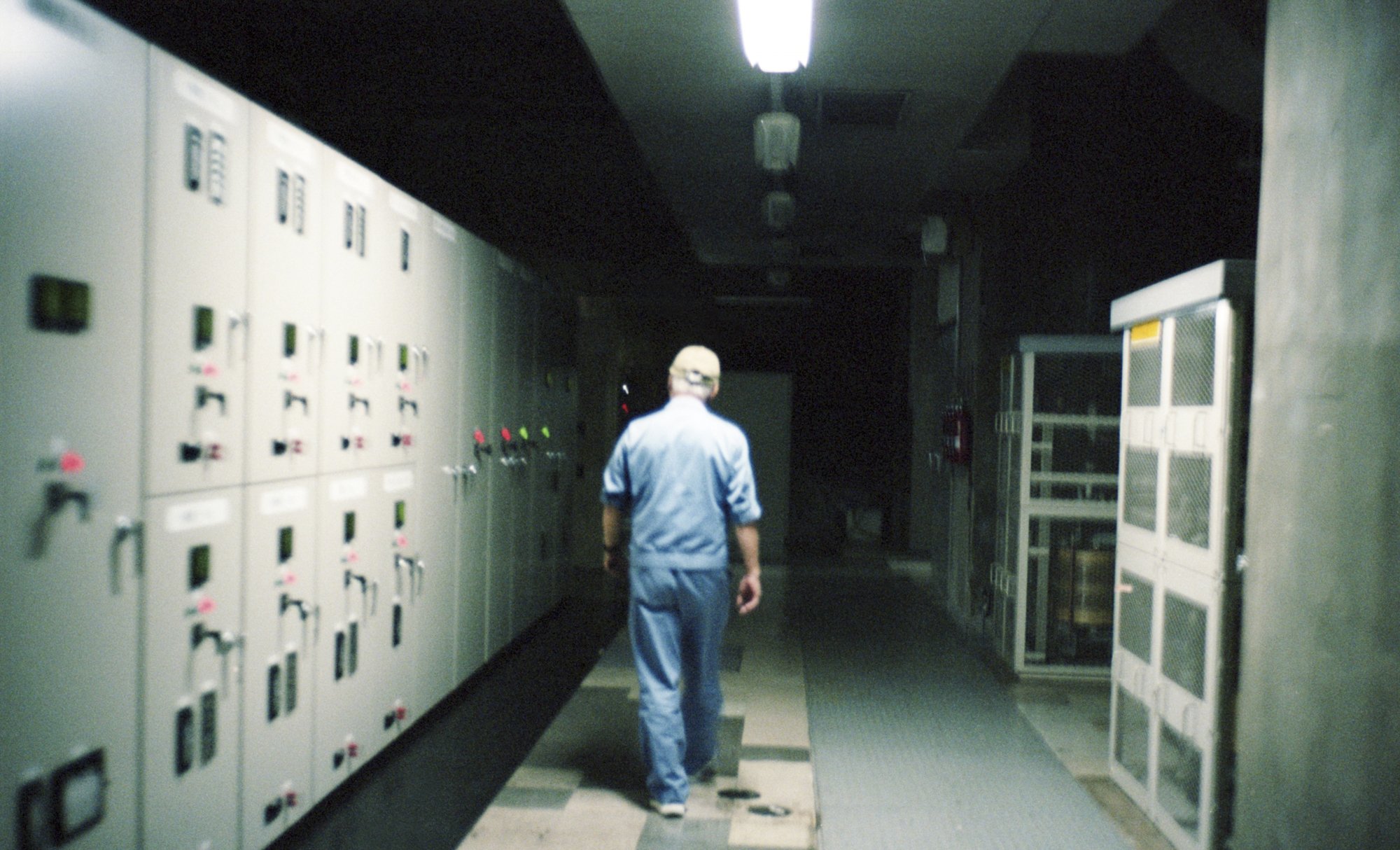
This photobook reflects on the limits of human capability. Technology scales exponentially, but the human body does not. While today’s algorithmically commodified news economy is sustained by electricity, networks, and limitless replication, the physical newspaper was sustained by human labour. For much of the twentieth century, information in newspapers effectively did not exist unless it was physically delivered. Printed late at night and transported by human hands, newspapers circulated only within the territory that could be reached by morning delivery. Yet those physical limitations were also what made it possible to preserve small local memories.
This book critically reimagines the newspaper as perhaps one of the limits of information that humans could genuinely take responsibility for moving, holding, and sustaining.
The work consists of thirteen separate newspapers printed on a rotary press and archived together with metal bindings, functioning collectively as a single archival photobook. At the same time, each section can also be detached and read individually as an independent newspaper. The structure of the work continuously moves between two states: photobook and newspaper, archive and circulation.
News
Writer Akihico Mori joins Reading Photography, a podcast hosted by photographer Kazuma Obara, as a guest to take a deeper look at The Newspaper.
Media Passing Through the Body: The Latest Photobook, The Newspaper, Part I
https://open.spotify.com/episode/1f62RpqSWa5gQIRrNEJykM?si=zpwTJ3leR1S_VQGI82ovZA
The Dummy Book as a Way of Thinking: The Newspaper, the Latest Photobook, Part II
https://open.spotify.com/episode/1gmDdm2Or5Rubetwor211f?si=VCPdWs2vTVCv_tDPwlhstg
PAST TALK: Translating the Newspaper into an Art Book: Redefining Information and Form Sunday, May 10, 15:30–16:30 ROHM Theatre Kyoto, Park Plaza 3F Free admission, no reservation required A talk by photographer Kazuma Obara and writer Akihico Mori. The Newspaper is an attempt to reconsider the medium of the newspaper itself through photography and text. Moving across the multiple processes of editing, printing, and distribution, the talk explores how information takes form and reaches society. TALK: Printing Stories Friday, May 15, 18:00–19:15 Kyoto Shimbun Printing, Kumiyama Factory 1-8 Hayashi Takaguro, Kumiyama-cho, Kuse-gun, Kyoto 613-0033 Capacity: 15 people Free admission, reservation required Registration: Please apply here. Thinking in a printing factory about the moment when words remain in society Based on the newspaper-format photobook The Newspaper, this talk will take place in the very site where newspapers are printed. In the Kumiyama Factory, where actual newspapers are produced, we will reconsider in concrete terms how words and records take physical form and circulate through society, as well as the value that emerges when words and photographs are transformed into material objects. Please note that, due to the operation of the factory, the event will begin and end on time.